

Which glue should I choose?
Home » Uncategorized » Which glue should I choose?
The adhesives section in our store can be confusing. That’s why we’ve organized them into a handy list based on their most common uses and properties.
The choice of adhesive depends on several preliminary considerations:
- What will be glued: what material is the item we’re gluing made of, and do we have a combination of materials?
- whether the material is porous (such as cardboard, wood, or Styrofoam) or smooth and non-absorbent (such as glass, porcelain, or metal)
- How durable and strong does the adhesive need to be? Do we need a specific industrial-grade adhesive?
- Does the glue need to dry quickly?
- Do we need an adhesive with specific properties, such as flexibility or water resistance after it dries?
- Do we have an intolerance to the smell of glue or an allergy to its ingredients?
- Whether we need a small amount for single-use, or a larger quantity with a broader range of applications.
Appendices
Most adhesives are compatible with several types of surfaces and materials, so they fall into more than one category.
Glue for paper and cardboard
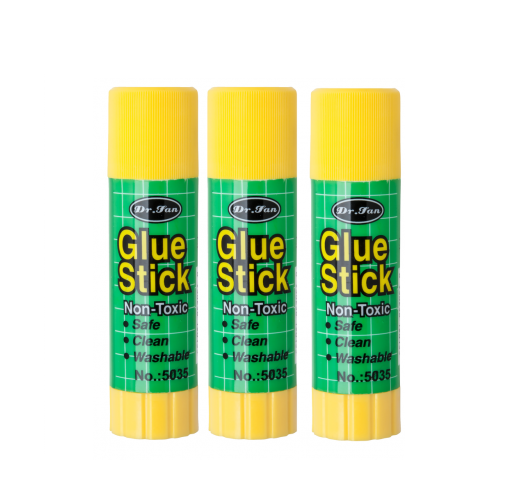
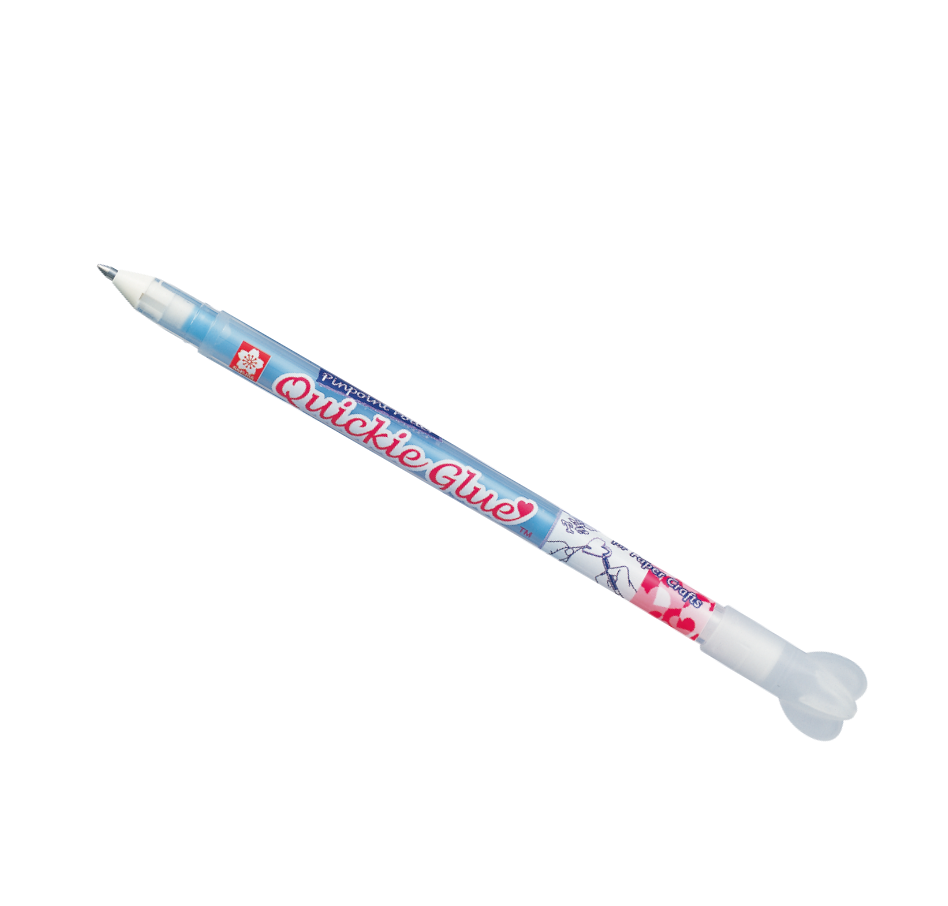
Office glues suitable for school projects, making cards, scrapbooking, paper collages, photo albums:


Glue for decoupage and puzzles
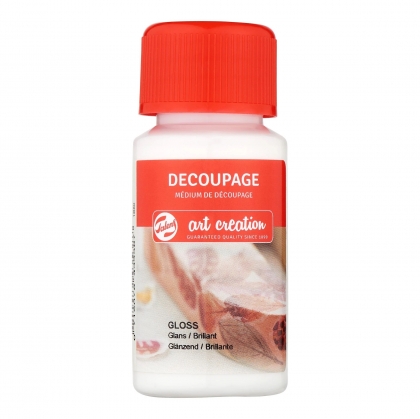
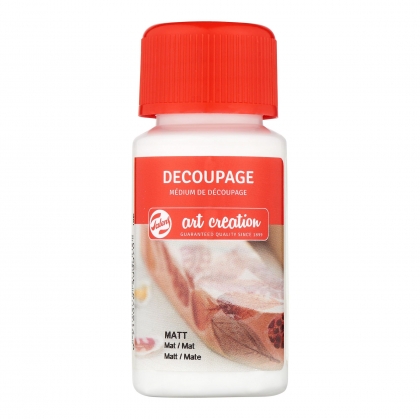
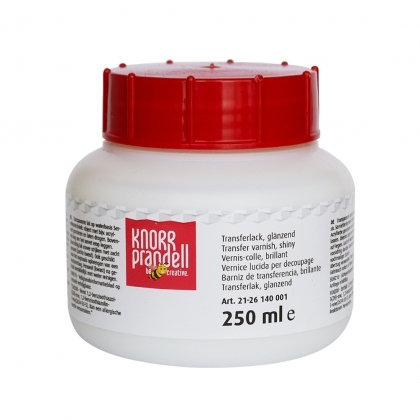
Standard white decoupage glue that takes on a different sheen once dry, which can also be used as a varnish for the finished projects. Also suitable for attaching completed puzzles to a flat surface:

Bookbinding Glue
Bookbinding adhesive is a type of paper adhesive that allows for controlled application and dries with elasticity:
Wood Glue
Adhesives for bonding lightweight wooden elements such as popsicle sticks, laser-cut figures; decorating wooden washers and boxes.
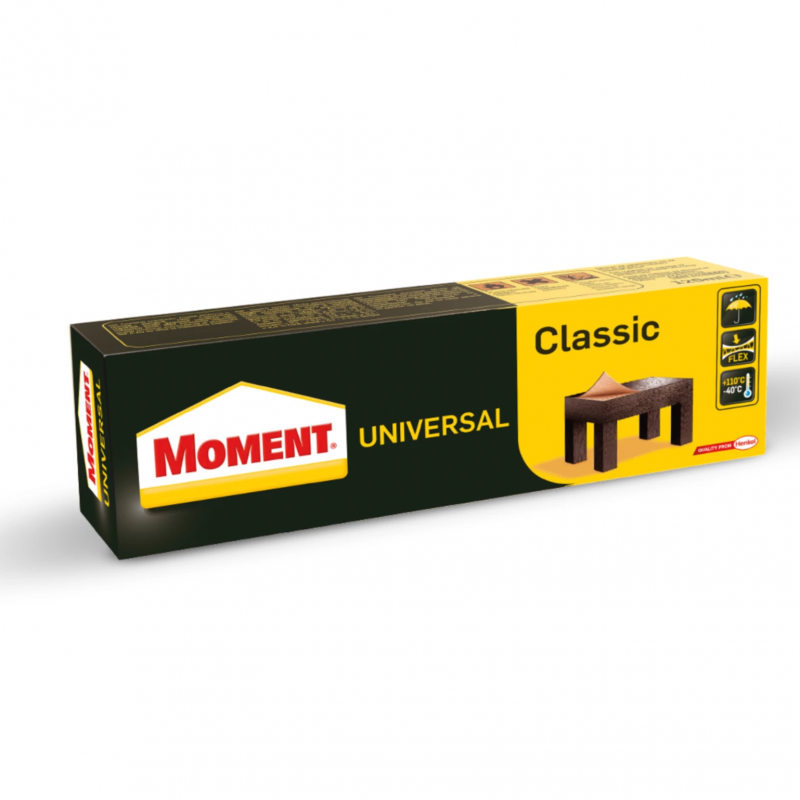
Styrofoam Adhesive
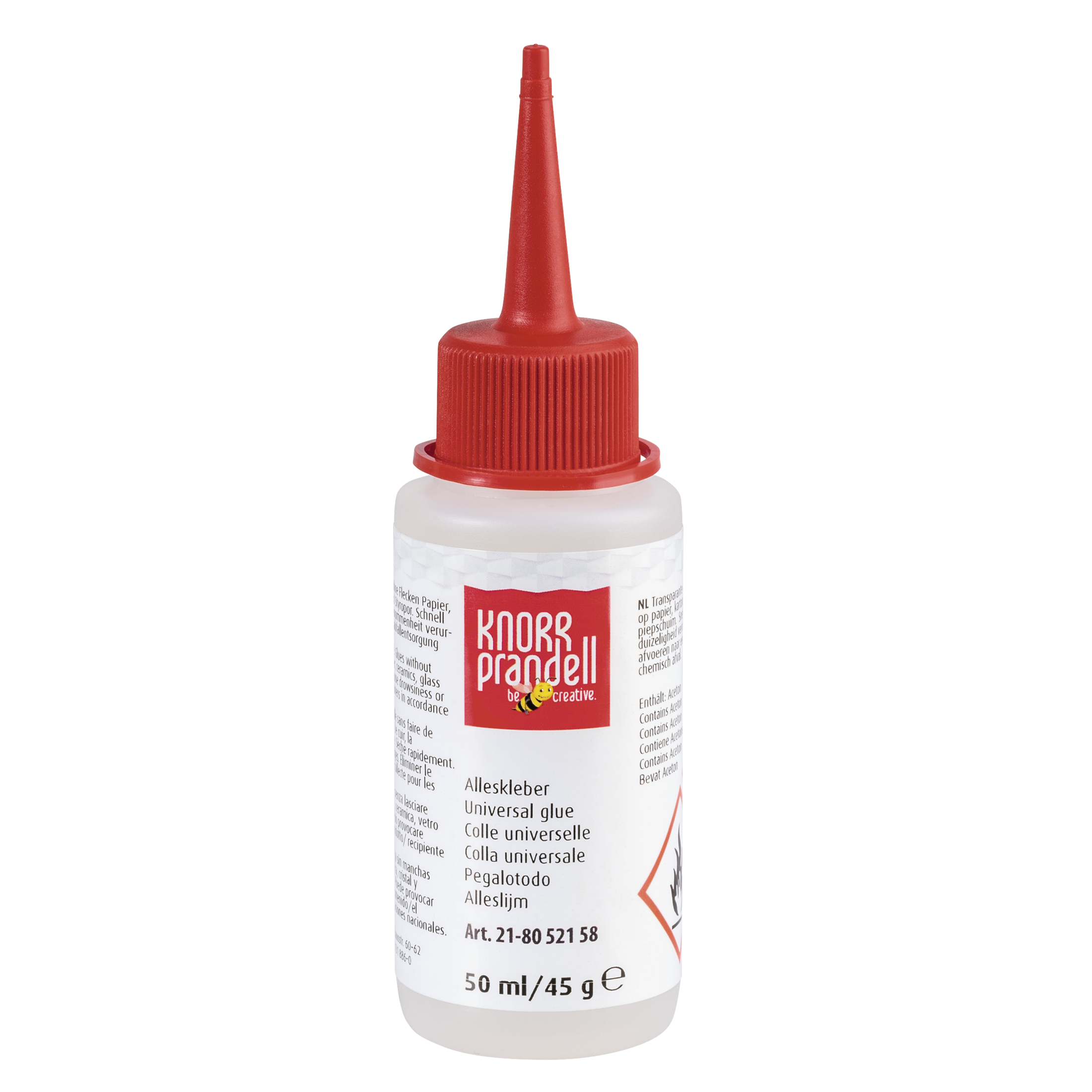
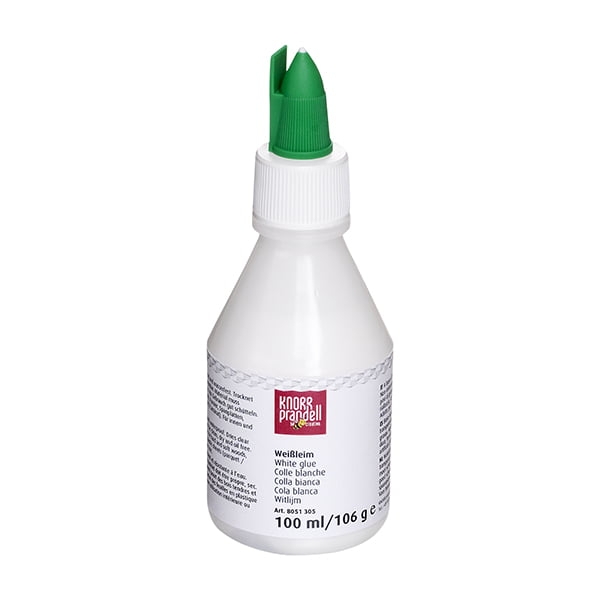
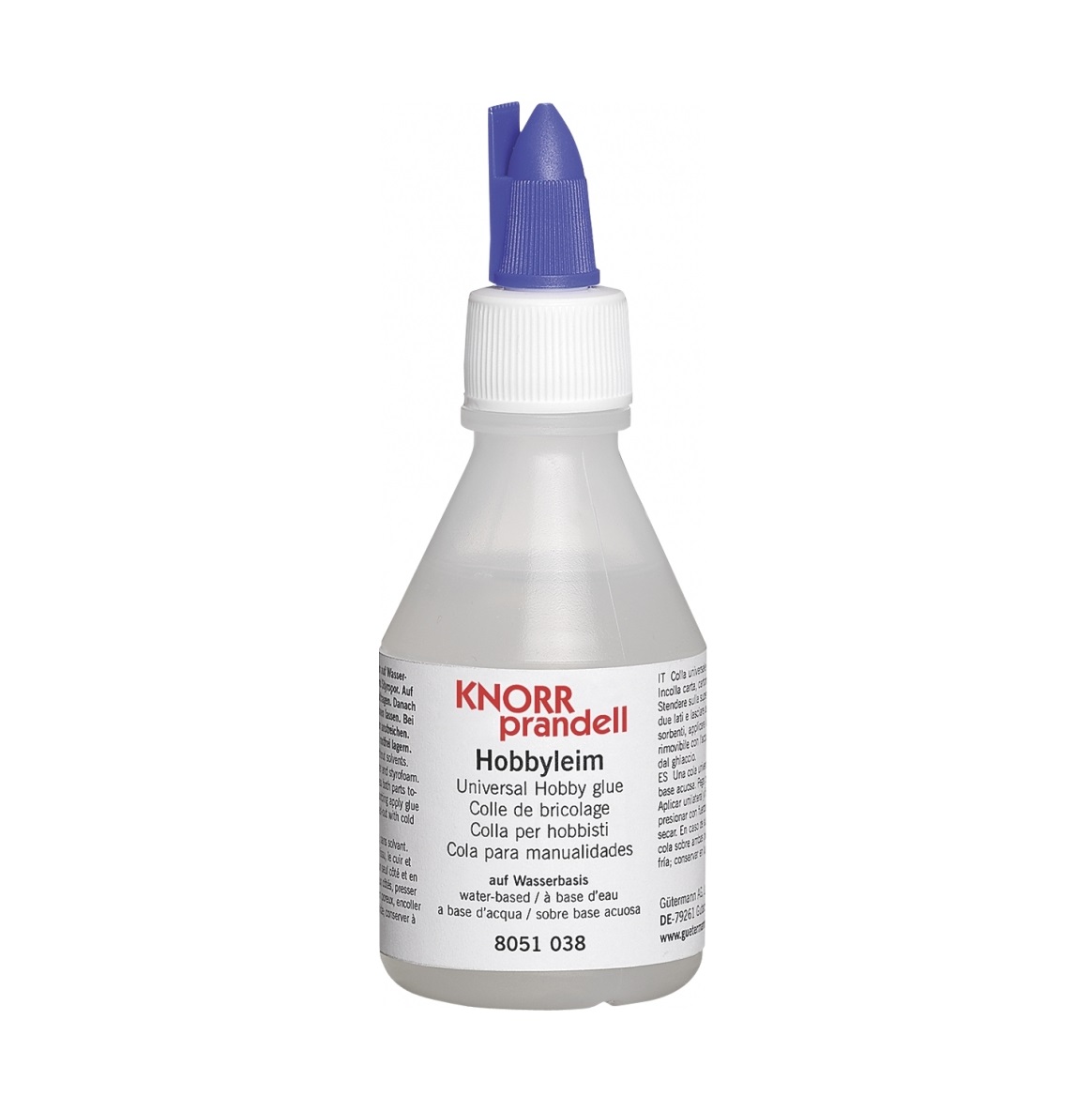
These all-purpose adhesives, which are gentle on Styrofoam (polystyrene) and do not melt it. They are also suitable for other materials based on synthetic foam, such as foam board:

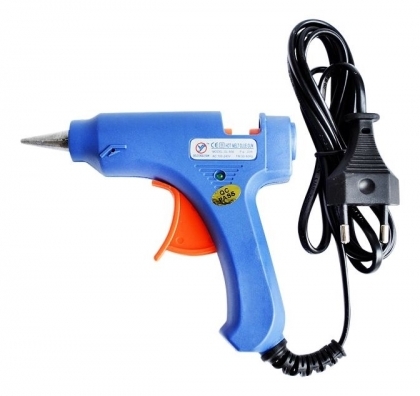
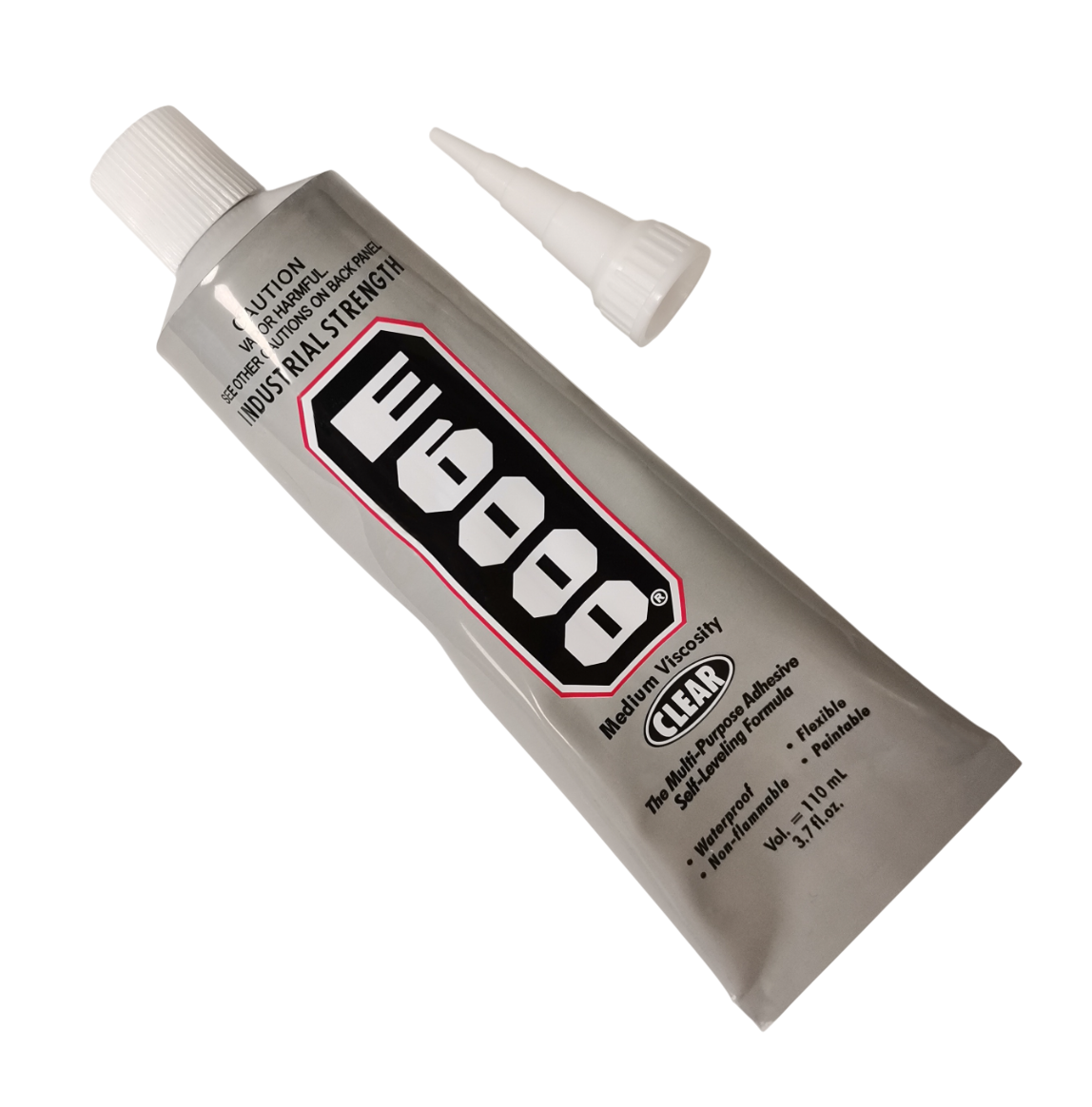
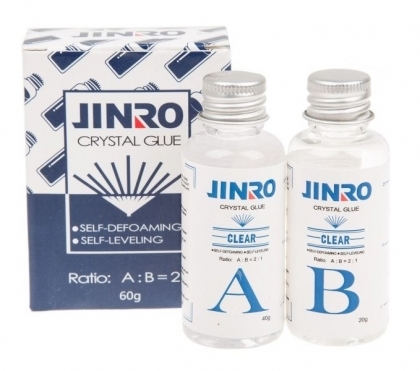
Jewelry Glue

Adhesive for polymer clay
There are several different types of adhesives that could be useful, depending on the material we want to combine clay:
- pieces of polymer clay that have already been baked or are still raw
- metal components (such as those for jewelry)—the best strategy in this case is to embed the part in the clay itself and fire it along with the clay
- porcelain, ceramics, and glass (for example, to decorate a glass).
As a type of plastic, polymer clay can be challenging to bond permanently to non-absorbent surfaces, such as metal and glass. To strengthen the bond, it’s a good idea to roughen the contact surfaces (for example, with sandpaper) before applying the adhesive, then remove any dust and degrease them with alcohol or acetone. Since alcohol and acetone can corrode polymer clay, they should be used carefully and sparingly with a cotton swab soaked in the solution.

Glue for decorating textiles
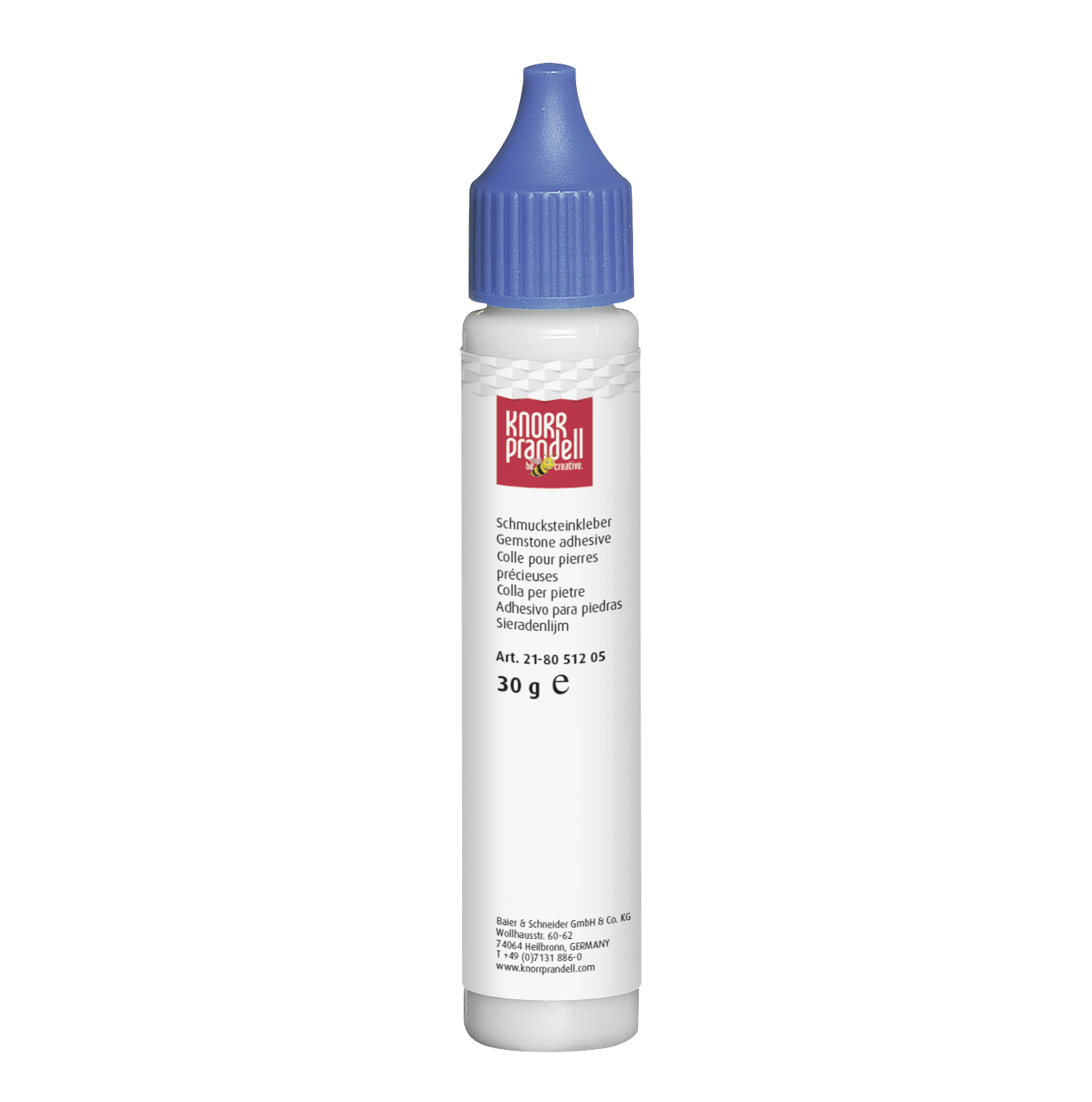
- Wash-resistant glue with a fine tip for attaching crystals, pearls, and sequins
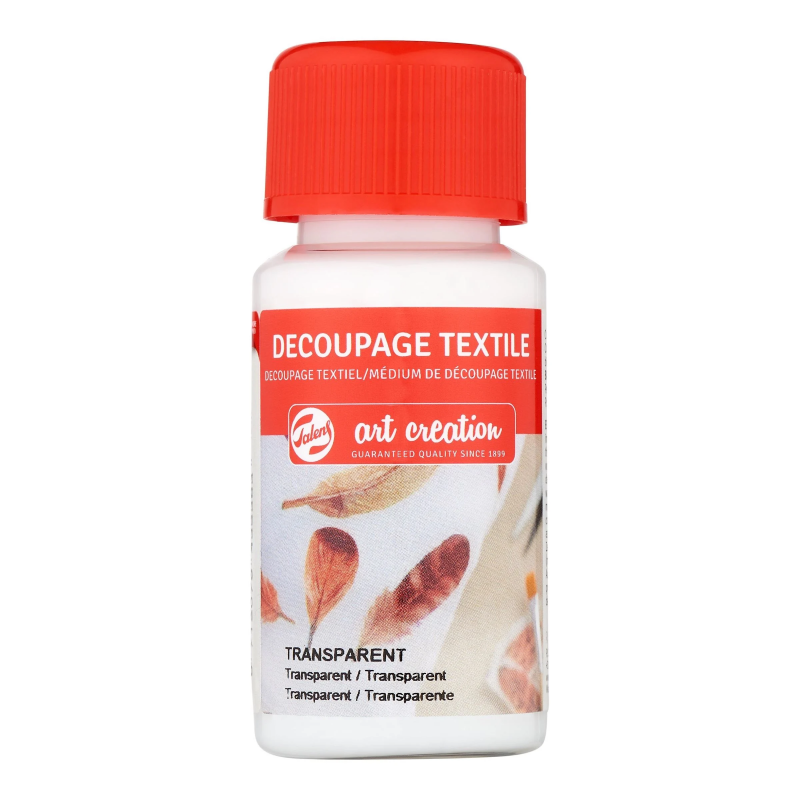
- decoupage glue on fabric:
Instant Glue
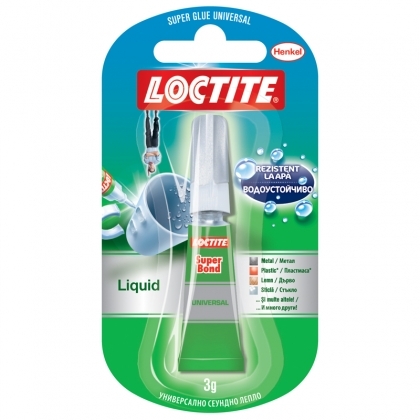
What is the difference between instant adhesives:
- Liquid —sets instantly and forms a solid layer after drying. It is suitable for precise, single-application use and provides a truly fast bond, especially on non-porous materials such as metal, glass, and plastic.
- Gel —a thicker adhesive that provides more control during application (it doesn’t drip or run like liquid glue) and allows time to position the pieces. Since it dries flexibly and its consistency fills in gaps, it is better suited for bonding rubber, leather, textiles, wood, and other porous surfaces.
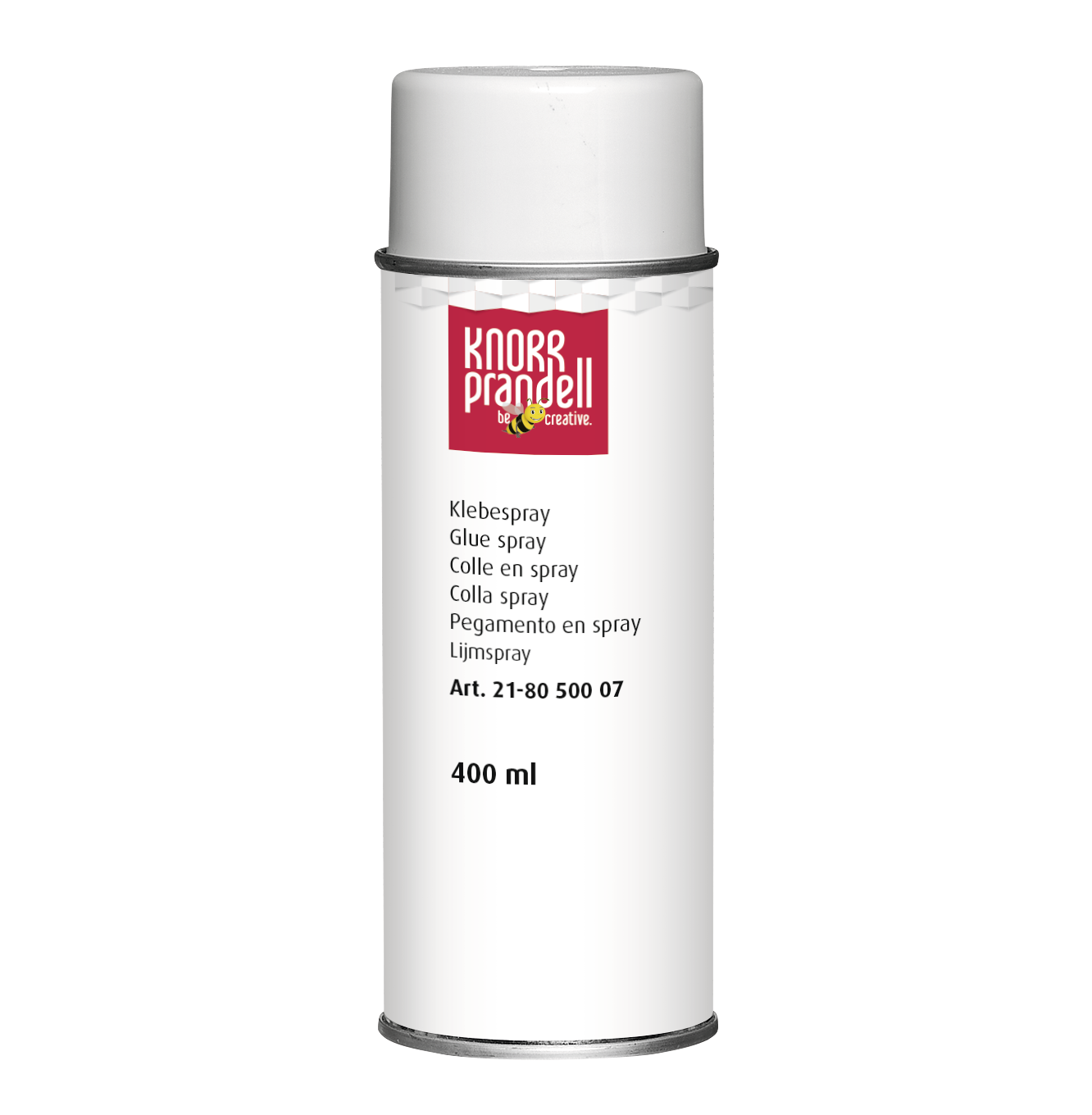
Glue Spray
Shoe Glue
A highly elastic yellow shoe glue for bonding materials such as leather and rubber:
The Most Versatile Adhesives
Our most practical and versatile adhesives for hobby projects:
Double-sided adhesive products
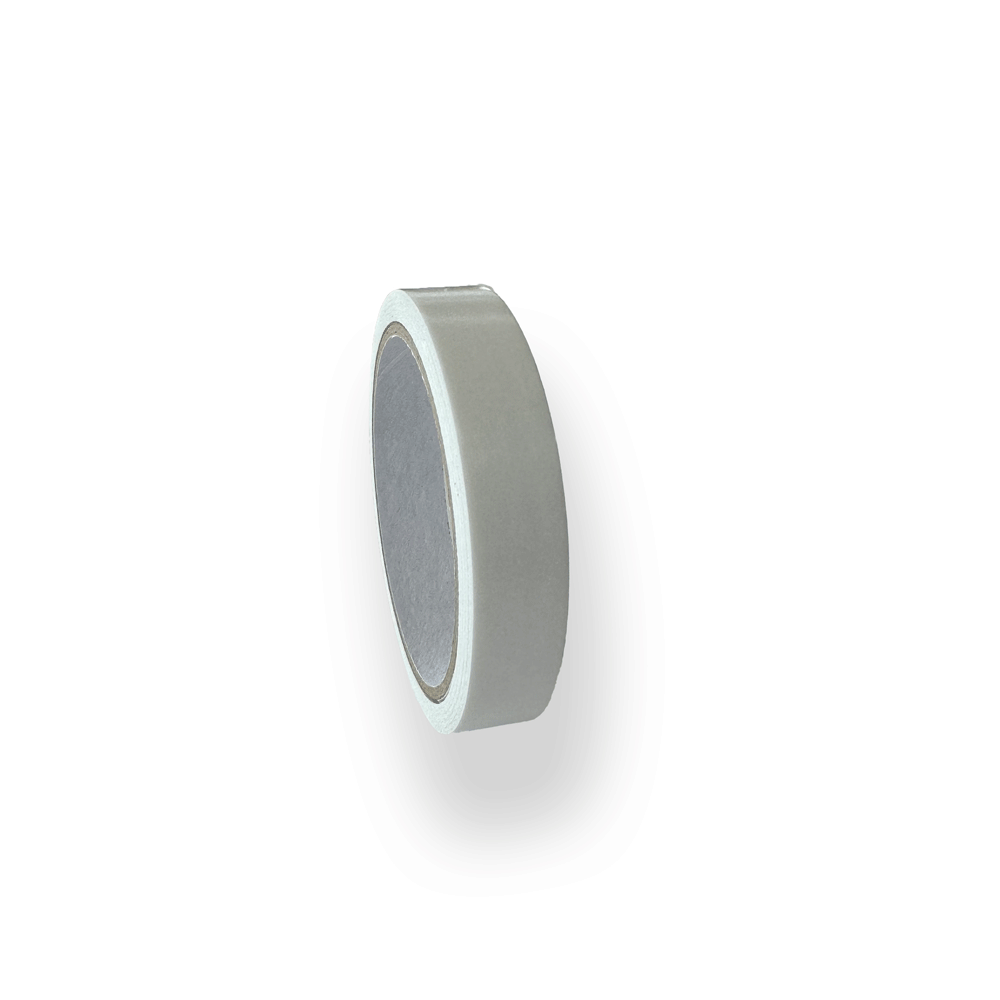
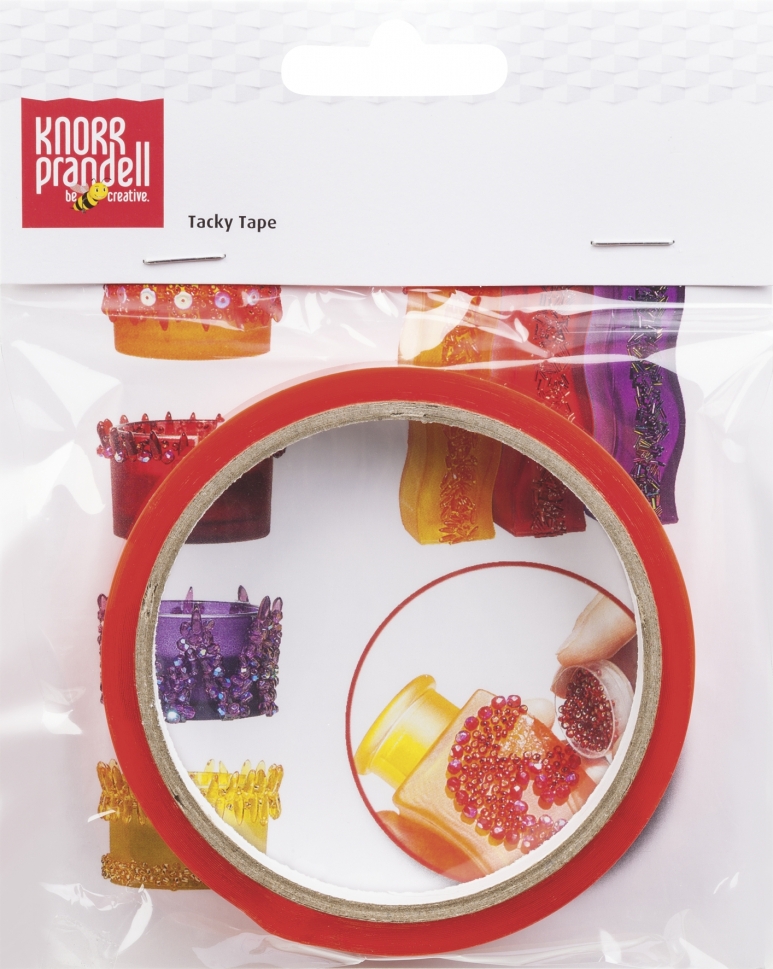
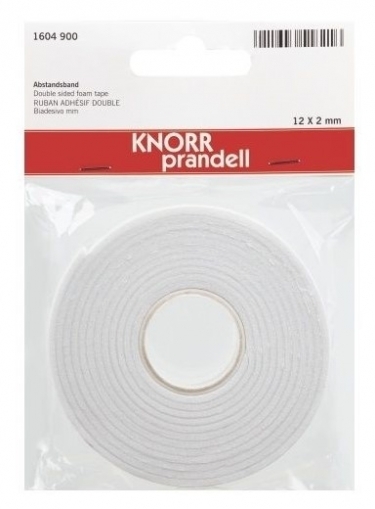
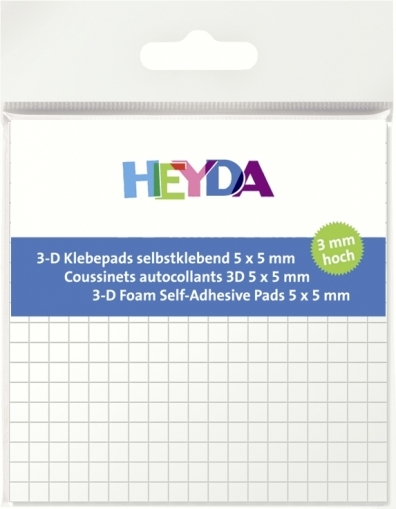
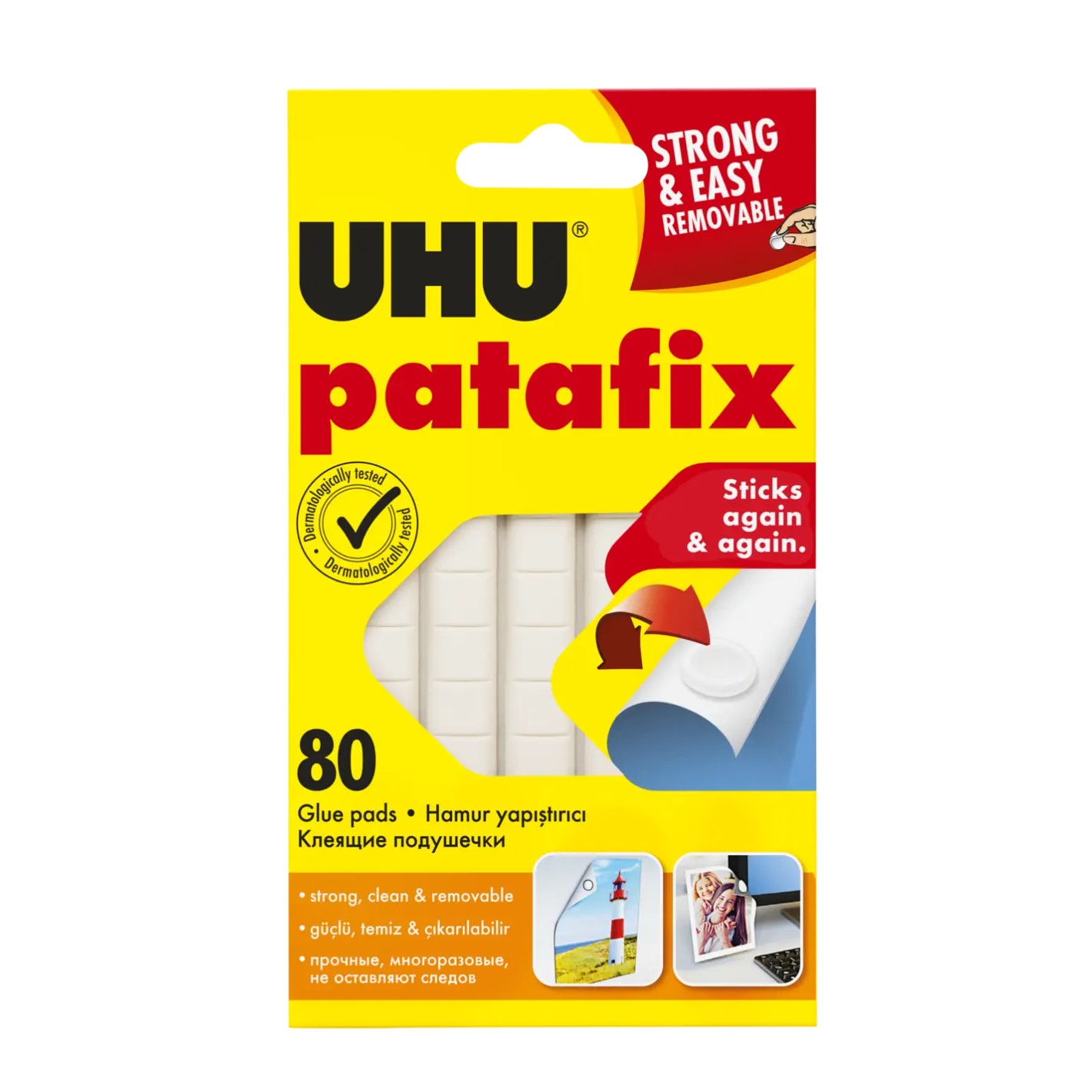
To wrap things up, we’ll also mention double-sided adhesive tapes, dots, and squares for dry application, which are divided into flat and raised (lift-off) types:

Author: Martina Petrova


