

What kinds of colored pencils are there?
Home » Uncategorized » What kinds of colored pencils are there?
While colored pencils are one of the first drawing tools people usually encounter, few people realize just how diverse they are. Although indistinguishable from the outside, the different types of pencils can be roughly divided into: watercolor, oil, wax, and pastel pencils, with their respective subspecies. They are classified based on the composition of their core, which we will briefly discuss here.
Let’s take a look at them:
Watercolor pencils
Watercolor pencils , or water pencils in the jargon, are a favorite among fans of this medium because of their versatility. The color applied with them can be activated with water to create watercolor effects, just like with water-based paints .
This property is due to the water-soluble substance in graphite, which binds the pigments into a solid mass (binder).
Watercolor pencils can be blended on the paper, used for drawing with a wet tip , or with a damp brush to pick up color directly from the pencil itself.
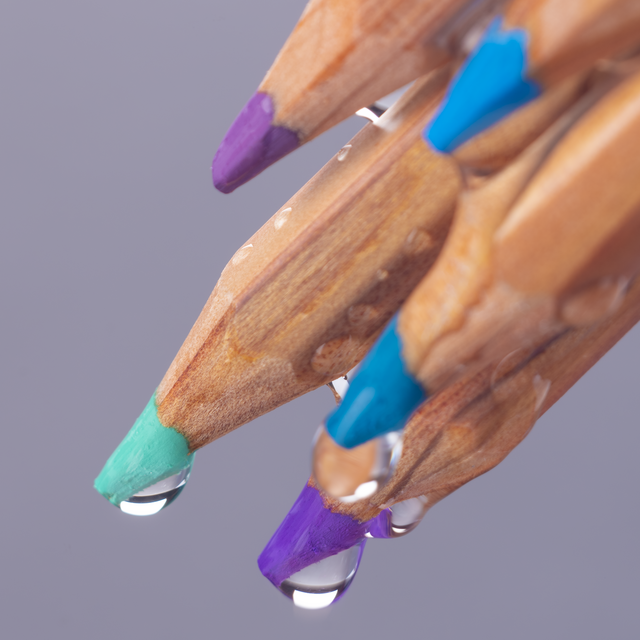
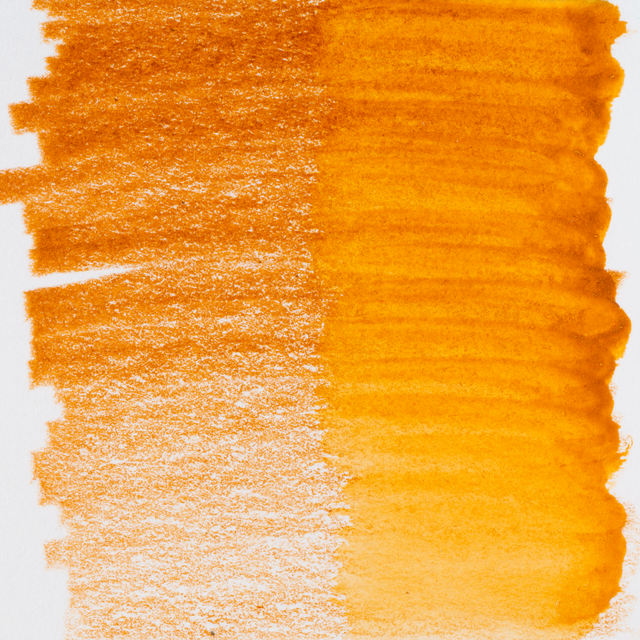
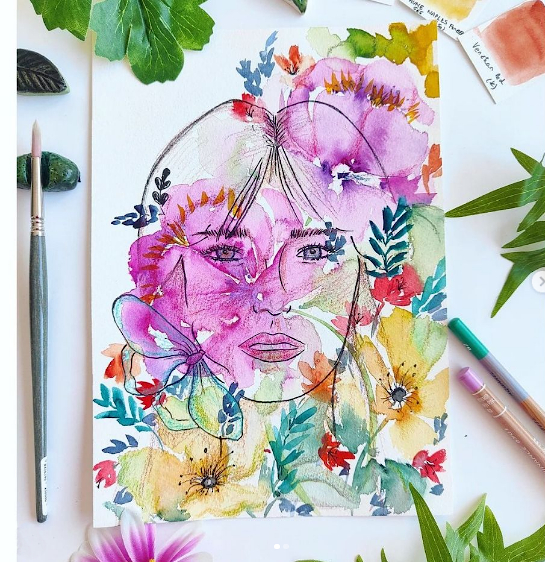
With water-soluble pencils , we can quickly color large areas and experiment with color saturation. The dry mark left by the pencil allows for different textures, and the convenient shape of the medium makes it easy to take along for outdoor drawing and keeps your hands cleaner.
Ink pencils
The so-called ink pencils, such as Derwent Inktense , can be compared to watercolor pencils. They differ in their brighter colors and in the fact that they are only soluble once. Mixed with water on paper, they dry permanently and cannot be dissolved again. Thanks to this , they can also be used to draw on natural fabrics such as cotton and silk .
Wax, oil, and varnish pencils
In fact, all colored pencils fall into one of these three categories. The core of all standard colored pencils contains varying proportions of wax, vegetable oils, or acrylic resin as a binder.
In art circles, a rivalry has emerged between wax and oil-based pencils. The truth is that the formulas used by different manufacturers vary significantly. Many people prefer wax pencils because of the soft feel on the paper. Generally speaking, however, the highest-quality pencils are actually the oil-based ones.
Oil pastels:
- can be layered more, since some of the color soaks into paper
- are generally harder. This means a sharp tip that lasts longer and more color (with fewer specks) on the blade rather than in the sharpener
- They don’t leave a shine on the paper, like the wax from wax crayons
- They work better than a burnisher , which rubs the pigment into the paper and lightly abrades it, allowing the paper to absorb even more color.
- fall into the higher-priced category of materials.
- feel velvety soft against the paper
- are easier for beginners to learn
- They fill in the indentations in the paper’s texture more quickly, giving it a rich color
- are a little easier to wipe off
- are more affordable.
Lacquer pencils:
- are the cheapest pencilsfor children and students
- They are usually made from acrylic resin. As a result, they are often hard and pale.
There’s no rule against combining wax and oil-based pencils. For example, we can use wax pencils to color large areas and the harder oil-based ones for precise lines and details. Once we understand their pros and cons, we can choose our pencils in a way that allows us to get the most out of each type and brand.
Pastel pencils
Pastel pencilsoffer the same benefits as dry pastels, but in the convenient form of a pencil. Their wooden barrels make them easier to control and use. At the same time, they don’t smudge as much and aren’t as brittle. Thanks to their vibrancy, they stand out on a variety of paper tones.
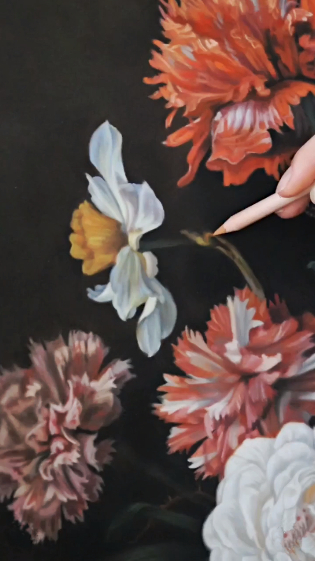
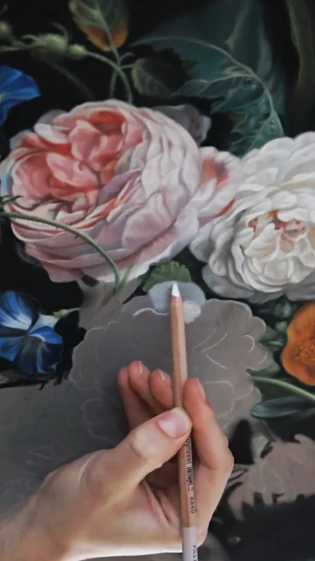
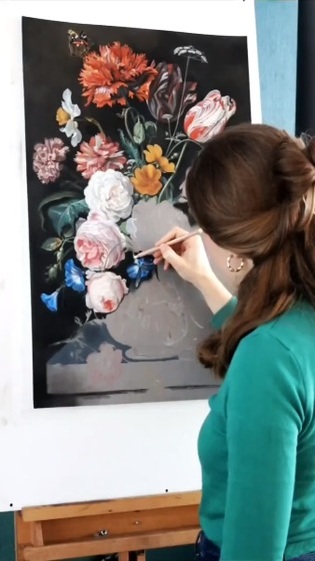
Like pastels of this type, pastel pencils are exceptionally painterly, making them ideal for photorealistic portraits, landscapes, and still lifes. They can be used on their own or as a complement to pastels, which is useful for fine details.
Chalk and charcoal pencils
Although they are classified as drawing tools, we will mention chalk and charcoal pencils as being very similar to pastels. Made from earth pigments, they come in black, dark gray, brown, sienna, and white. An exception is made for lines in which pigment has been added to the charcoal to create a slight tint, such as Derwent’s Tinted Charcoal. Chalk and charcoal pencils can be applied to the paper either dry or with water.
How can we tell high-quality pencils apart?
The overall quality of pencils varies depending on how a particular brand is manufactured. The best pencils always have a centered, securely bonded graphite core that is completely encased in high-quality, smooth-sharpening wood. And the very best contain the highest possible concentration of first-class, lightfast pigments. All professional brands should strive to specify the pigments used for each color.
Author: Martina Petrova


