

Paints for Glass, Porcelain, and Ceramics—Basic Guidelines and Ideas
Home » Uncategorized » Paints for Glass, Porcelain, and Ceramics—Basic Guidelines and Ideas
Decorative paints for painting on glass and porcelain are an affordable way to achieve professional-looking and long-lasting results on glazed and unglazed vessels, flat surfaces, and souvenirs made of glass, porcelain, clay, and ceramics— many of which don’t even need to be fired.
The hobby paint market offers two types of waterproof glass paints: acrylic-based and solvent-based, or a solvent-based solution. Some of them are simply left to dry, while others require heat treatment in a kitchen oven. This, in turn, may be optional (to speed up the drying process) or mandatory for secure adhesion. Generally, these types of paints can be washed by hand, but not in the dishwasher.
As for the colors— there are opaque, translucent (stained-glass), and dramatic (pearlescent, metallic, and shimmering) shades with a glossy finish, which can be further matted.
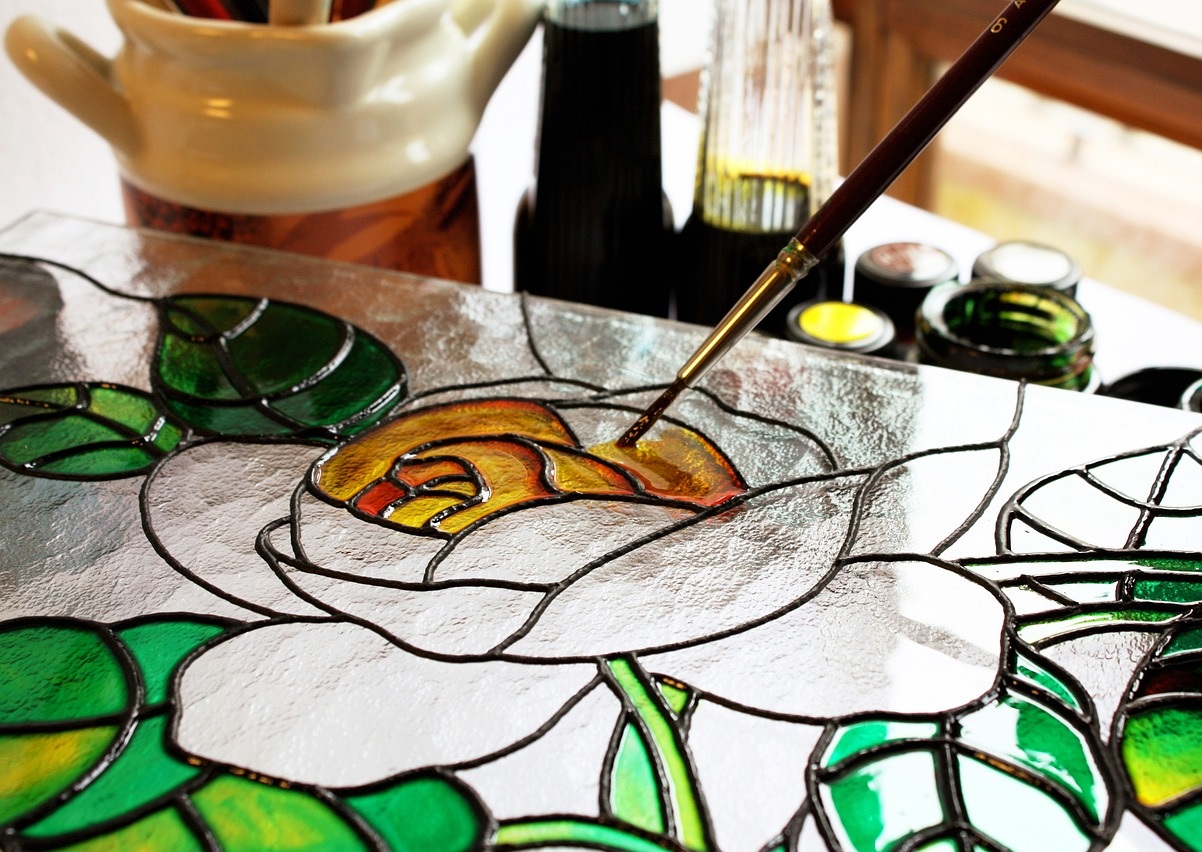
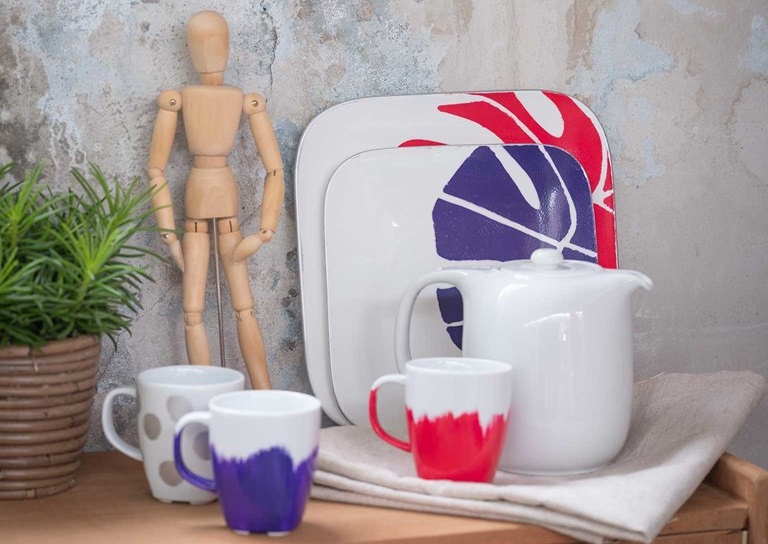
What Can We Use Glass and Porcelain Paints For?
- for decorating solid-colored glassware —clear glassware found in stores is much more affordable and can be colored to imitate designer glass (Murano, for example)
- for transforming old glass and porcelain items
- for handmade gifts that will bring joy to us and our loved ones and be used in everyday life; a wonderful idea for wedding glasses and bottles as well
- to complement your home’s interior and highlight the color scheme
- to create a stained-glass effect without applying foil—the tinted glass on windows or lampshades casts colorful shadows that subtly accentuate the decor or bring a cheerful atmosphere to children’s rooms
- to reuse jars, bottles, and other containers that we would otherwise throw away (known as “upcycling”)
- for making and decorating homemade, reusable storage containers
- for painting glass Christmas ornaments.
How to Apply Them
To draw with the colors we’ve chosen, we need a container to pour the paint into and a tool to apply it — a brush or sponge. The consistency of the paint can range from liquid to that of thin yogurt. For best and longest-lasting results , remove any dust and grease from the item you are working on. Brand-new souvenirs and tableware usually have a protective film that must be washed off beforehand.
The various types of cross-sections of brushes also offer a choice in terms of the mark they’ll leave behind – In any case, using a brush allows for greater precision. In addition to filling in areas, we can use it to write in different fonts and create designs with repeating elements—lines or shapes formed by pressing the brush.
The fungus can also be found in various forms and with varying degrees of fineness—the smoother it is, the finer its mark will feel to the touch. The advantage of this method is the even coloring and the absence of harsh lines caused by the brush bristles—the colors don’t end up looking “brushed on.” For this reason It is also the most practical choice when working with templates, cutters, and masking tape.
*It is best to apply decorative paint for glass and porcelain to the outside of the dishes, where it will not come into contact with food or your mouth when drinking.
Additives for Glass and Porcelain Paints
If you choose to decorate with thin lines, a glass and porcelain marker is a very convenient option. There are also calligraphy markers of this type for achieving carefully written fonts. And for relief outlining and stained glass imitation, contours with a sharp tip are offered , with which the paint is applied by squeezing and pulling , similar to a syringe.
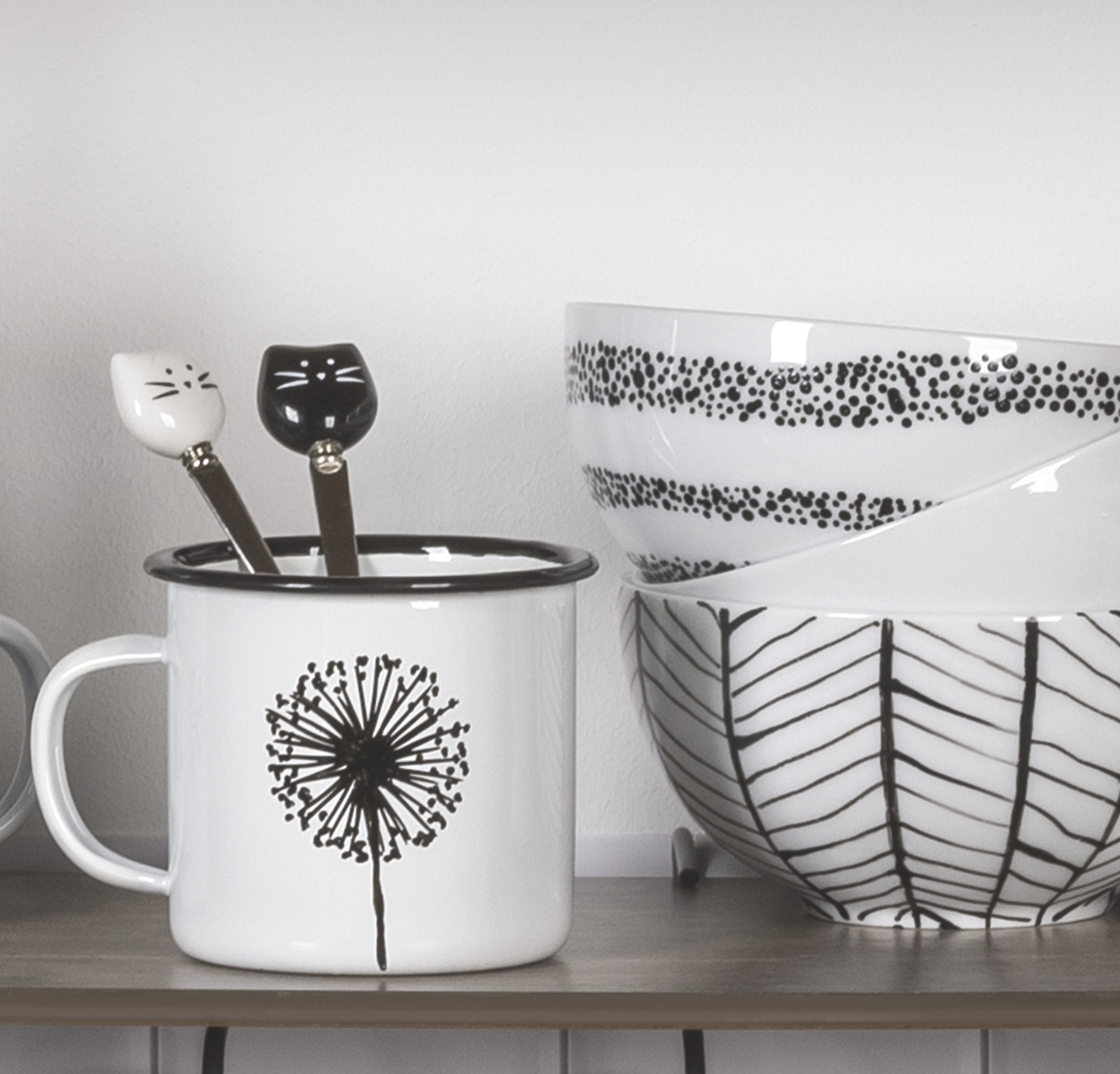
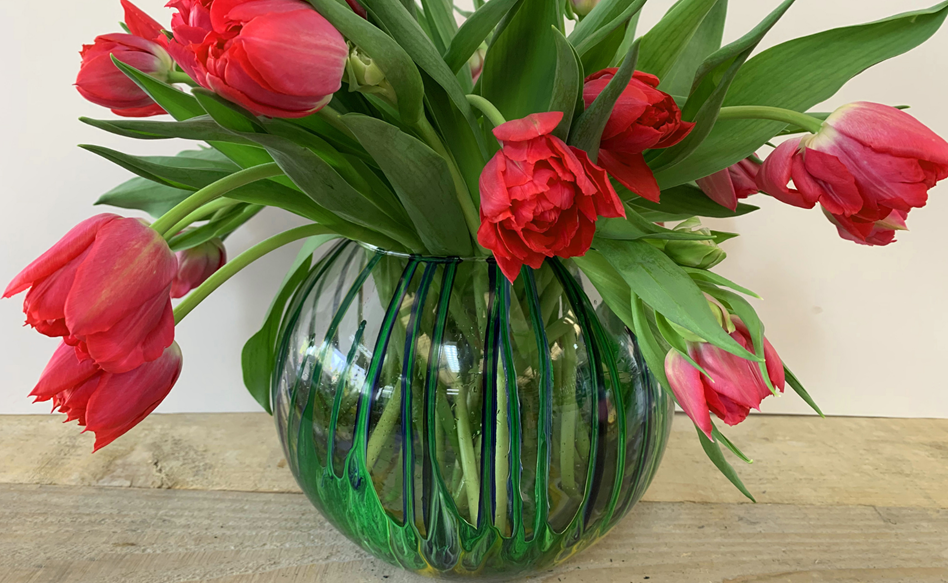
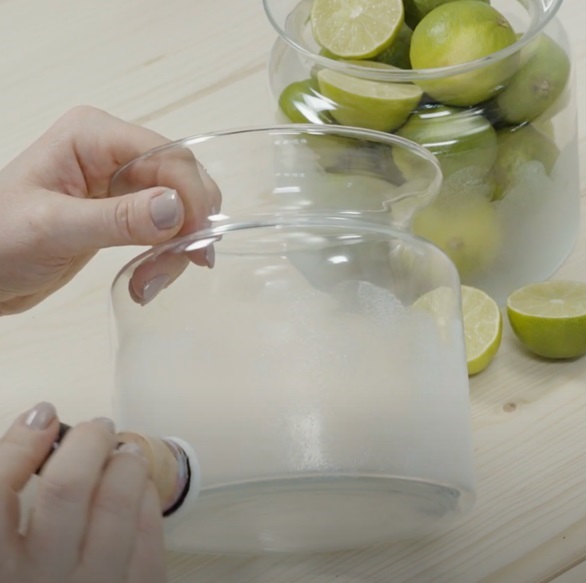
Interesting effects can also be achieved by combining matte and glossy colors. Glossy paints can be matted using varnishes and coatings, which are typically available in spray form. These also include paints that create a frosted effect.
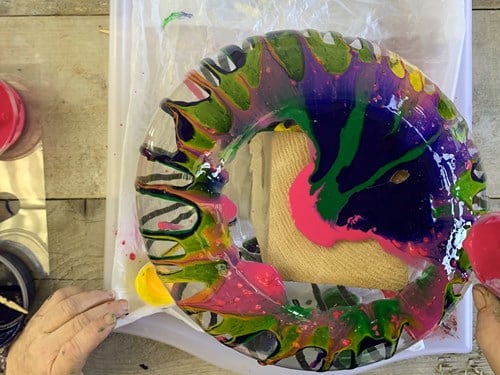
When working with acrylic paints for glass, we can make use of acrylic-based additives such as pouring mediums, which allow us to achieve abstract and unpredictable pouring techniques.
Author: Martina Petrova


