

Frequently Asked Questions About Copic Markers from Japan
Home » Uncategorized » Frequently Asked Questions About Copic Markers from Japan
In this article, we address the 9 most common questions about Kopik and alcohol markers in general.
Contents
What are Copic markers used for?
Kopik are designed for quickly sketching, capturing, and presenting ideas. They are a valuable tool for professionals in the fields of architecture, design, fashion, animation, and illustration. Copics are especially popular among fans of manga and other types of comics.
They can also be used for hobbies and leisure activities such as mixed-media painting, coloring, calligraphy, card making, scrapbooking, journaling, inking stamps, making tattoos, and more.
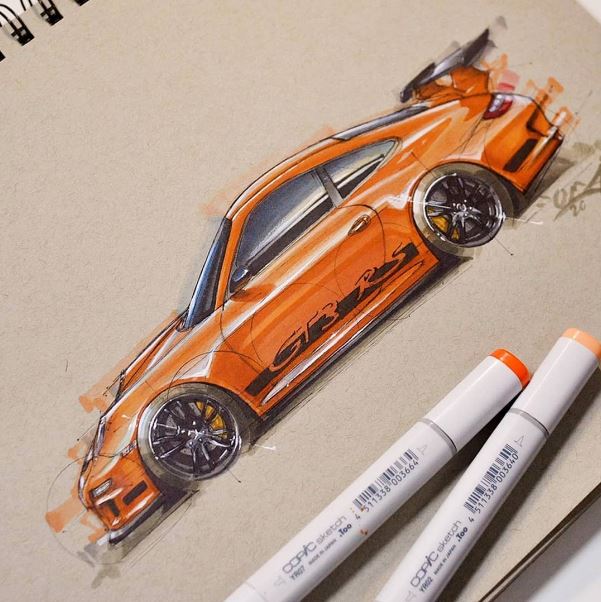
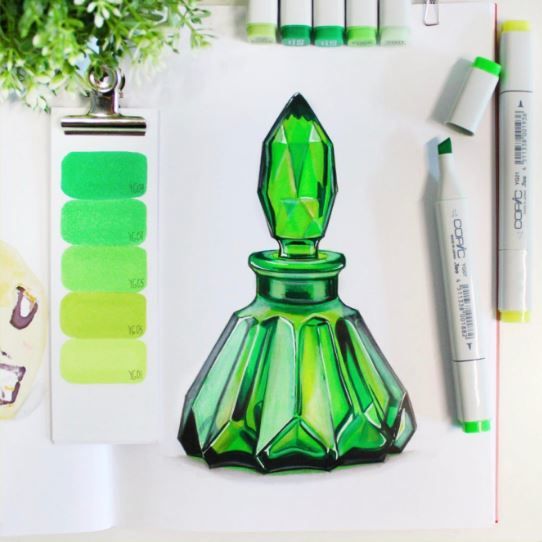
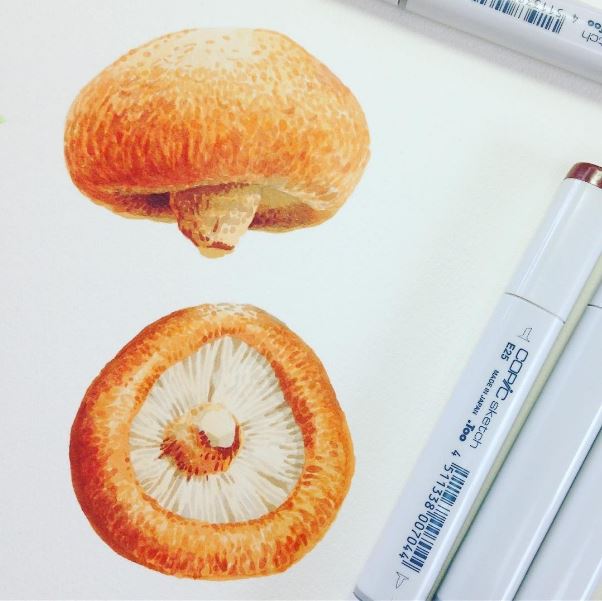
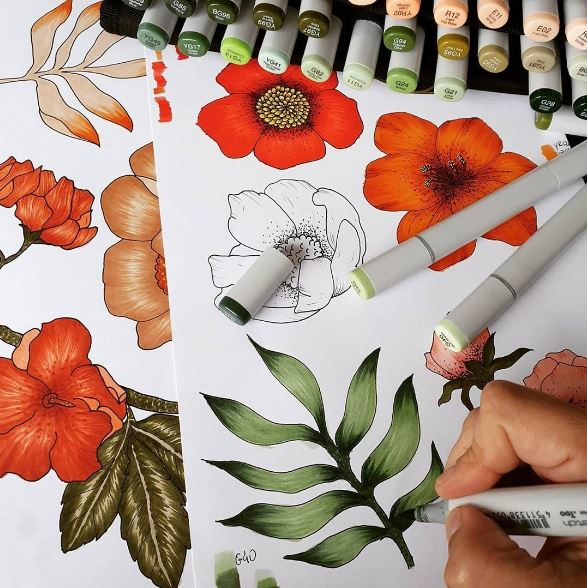
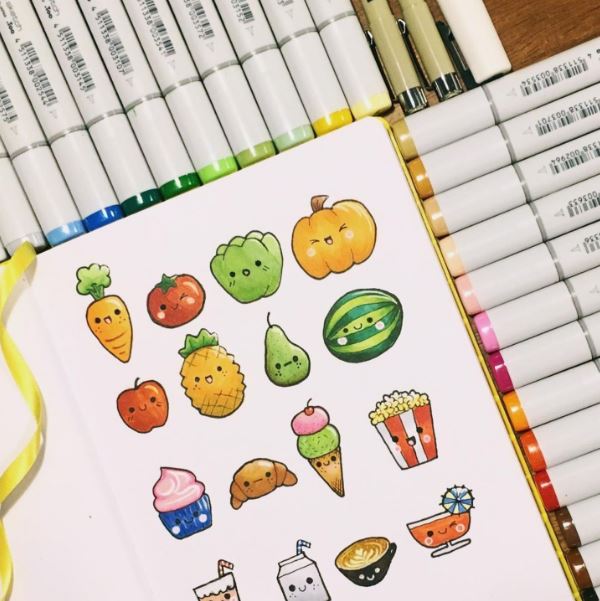
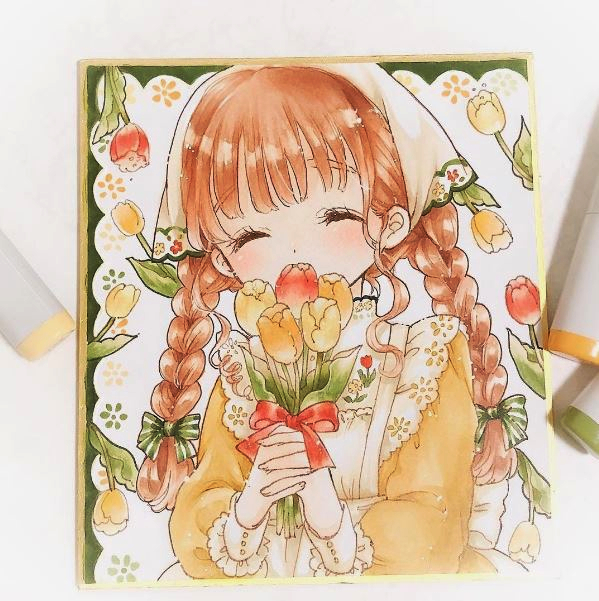
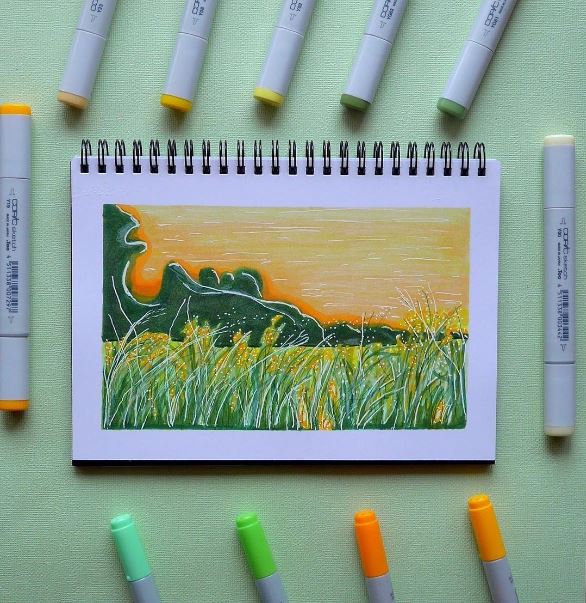
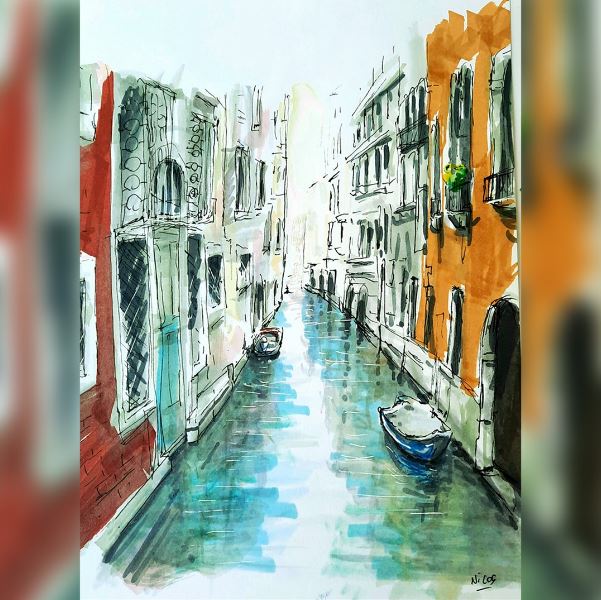
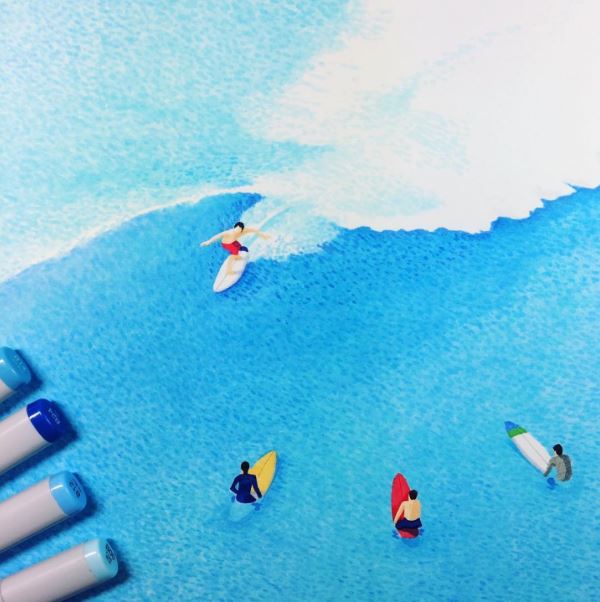
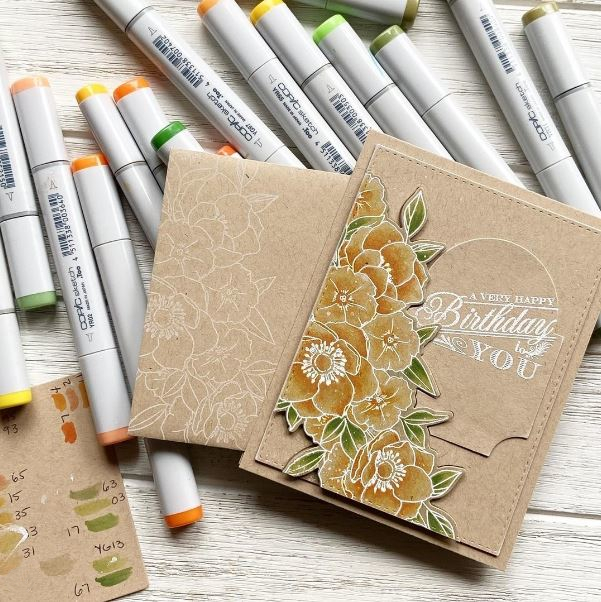
How many Copic alcohol markers do we need to get started?
To start with , we can choose 3–4 colors that blend well together. These can be similar, consecutive shades or colors in the same light tone (such as pastel colors). This will allow us to practice the basic techniques of mixing, blending, and light and shadow.
Another factor to consider is what we want to paint with them. This will determine whether we should get more flesh tones for skin, shades of gray for cityscapes, and so on.
It’s important to choose colors that are not just our favorites, but ones that are versatile and complementary—colors that can be layered and blend together.
A good option is to start with a small number of markers that will be used for drawing and coloring specific things. At first, these can be supplemented with other materials such as colored pencils, pastels, fine-tip markers, gelpens, ink and watercolor.
The Layer & Mix mini kits consist of a trio of shades that are specially selected to blend together optimally. They are designed specifically to make it easier for beginners.
To provide a comprehensive overview of the product line and help customers make faster selections , Kopik offers a visual diagram of its color system.
Why are Copic markers so expensive?
The main reasons for the initial investment, which Kopik require are quality control and replaceable components: ink and tips. Each marker is manually tested before it goes on sale.
At the same time, each color is available in a small bottle of ink, which is enough to completely refill one cartridge. Depending on the series, this can be done 3, 5, 7, or 9 times. If the nibs dry out or wear out ,they can also be purchased separately. Thus, the pens make up for their high initial price with their long-term durability.
With proper care, many artists use their markers for years, even decades.
Another, little-known reason for their price is their design. Unlike other brands, Copic caps fit so snugly onto the barrel that they minimize the tip’s exposure to air (and drying out).
What kind of paper is suitable for drawing with Copic markers?
Since Kopik markers rely on layering to blend and saturate colors, their alcohol-based ink is formulated so as not to damage the paper fibers.
Of course, the best choice when it comes to a surface for drawing is a specialized sketchbook designed for markers. The brand’s offerings range from thin to thick papers, in snow-white or neutral white. In selecting their textures, Copic has also taken into account mixed-media drawing, as well as drawing with just the markers.
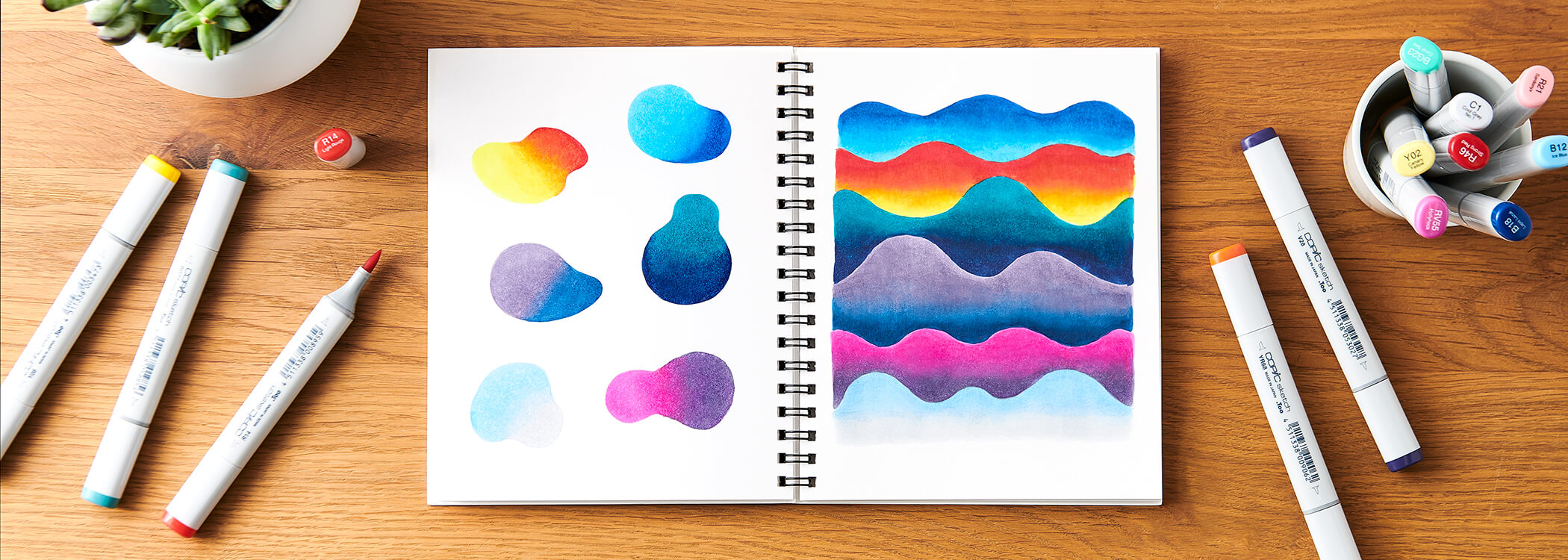
For testing and practice, you can use any paper that is as smooth as possible of the Bristol type . While it feels just as pleasant to draw on, it usually causes the ink to bleed through to the back of the paper and makes it difficult to achieve smooth, streak-free color transitions. The reason is that ordinary papers lack an insulating coating. Although ink bleeding through to the other side of the paper is normal for alcohol-based markers, it’s a good idea to switch papers when it gets too bad. We also shouldn’t forget that this actually causes us to use up our markers faster.
How do you draw with Kopik?
Here are the basic techniques for drawing with markers:
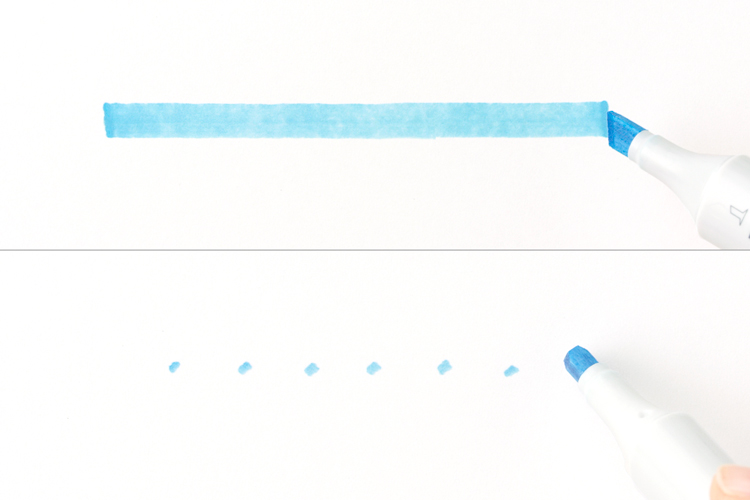
Lines and stripes with a slanted tip
The flat pen glides across the paper at an angle, using either its wide or narrow side. It can also be used to create angular dots and dotted lines.
Painting with a Brush
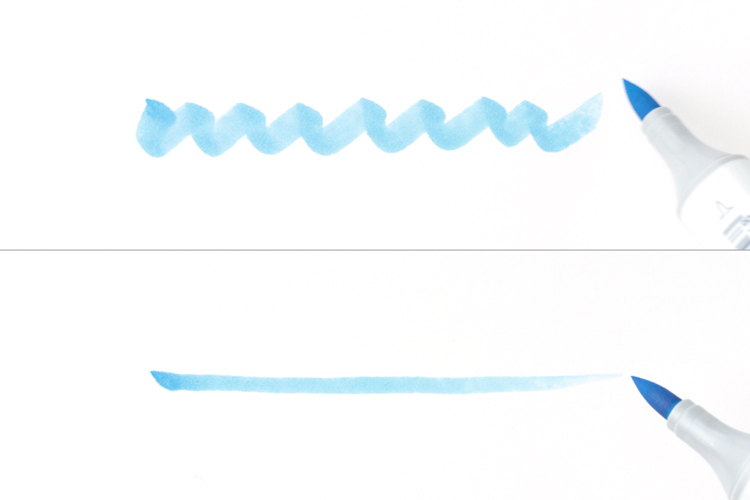
The soft Super Brush can be used with its tip for fine details or with pressure for broad strokes and waves.
Layering
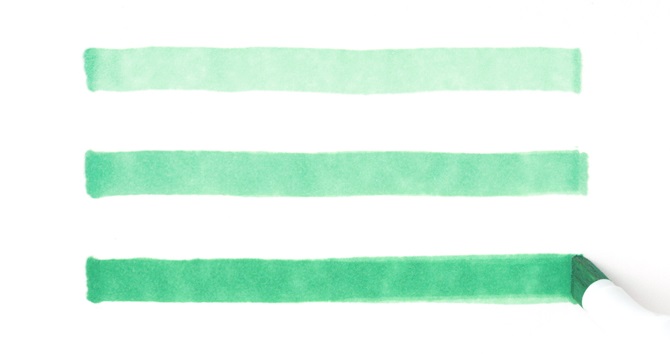
Kopiks demonstrate their tonality by repeating the same passage.
Transfusion
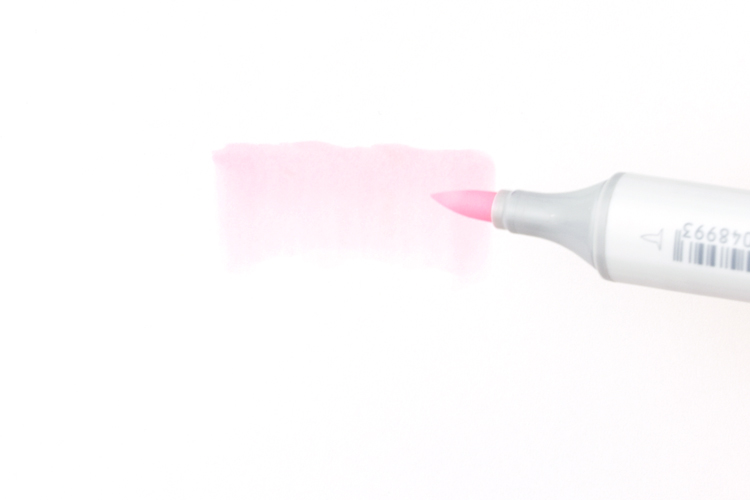
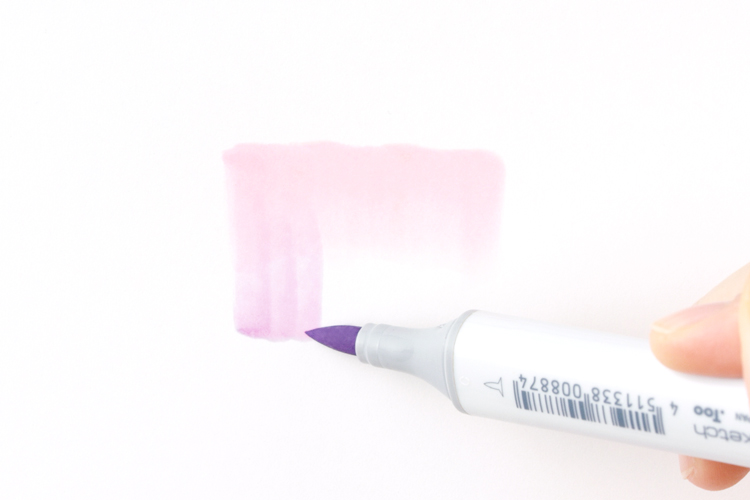
Mastering the brush stroke is key to skillfully blending two colors. This is achieved by lifting the brush off the paper toward the end of the line to create a gradient effect.
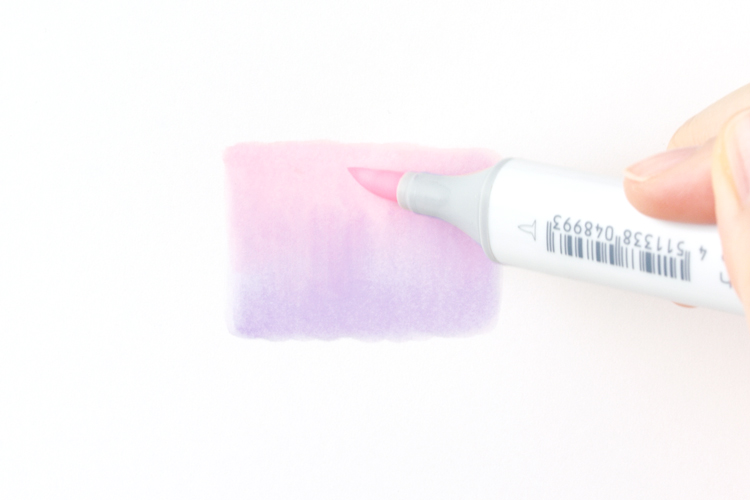
Even coloring
Filling in with a single color can be done using short strokes to create texture or circular strokes for an even finish. By shading in small to larger circles, brush strokes are completely concealed.
Optical Color Mixing
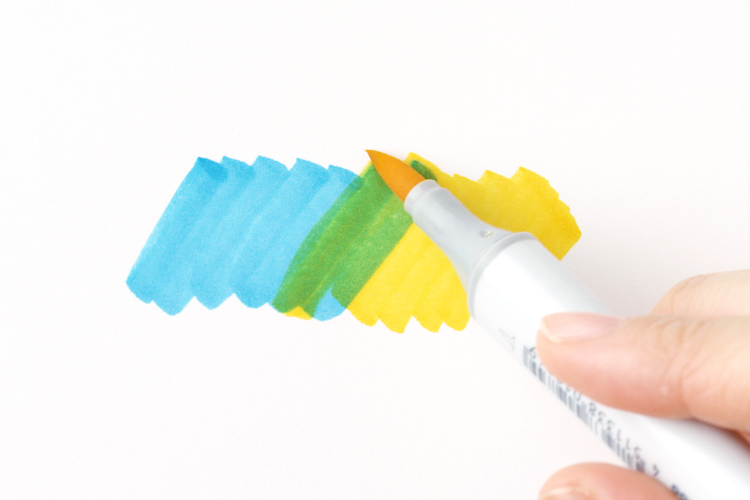
Since Kopik lipsticks are very sheer, applying two colors on top of each other creates a third color.
What is a clear blender used for?
Colorless Blender No. 0 contains the alcohol base of Copic inks without the color pigment. Although it is called a blender, it is actually more of a highlighter. It is used to soften contours and lighten small areas.
A blender is not used to blend two colors by applying it between them, but rather is used for:
- Moistening the areas where we will blend the colors. The gradients become smoother when the sheet is saturated with alcohol. This is especially helpful when working on plain paper or cardstock.
- blending of colors into the white of the page
- Lightening of already colored silhouettes. The marker leaves a faded trail on the colors. The longer you hold the pen against the paper, the more noticeable the effect. This allows you to create patterns and textures.
- correcting minor errors. If we’ve gone outside the lines while coloring, for example, we can use the blender to wet the area again and “push” the color in the right direction. In this sense, the blender doesn’t erase mistakes, but saturates the paper with liquid and thus “moves” the color down into the fibers of the paper.
- The liquid for filling in the blender can be used on its own for dripping, spraying, and other experimental abstract techniques.
After use, clean the blender’s blade by rubbing it against a sheet of paper.
How do you refill Kopik markers?
Reloading the markers is extremely simple. To do this, remove both caps from the marker. This way, if there is pressure inside the marker, it is released, preventing the ink from leaking out of the bottom. To refill the marker , the solid nib is usually removed, as it is less likely to be damaged.
The long tip of the refill goes all the way in and fills the marker core directly. It is also convenient for dripping onto paper. The bottles are available both full and empty for creating new custom shades.
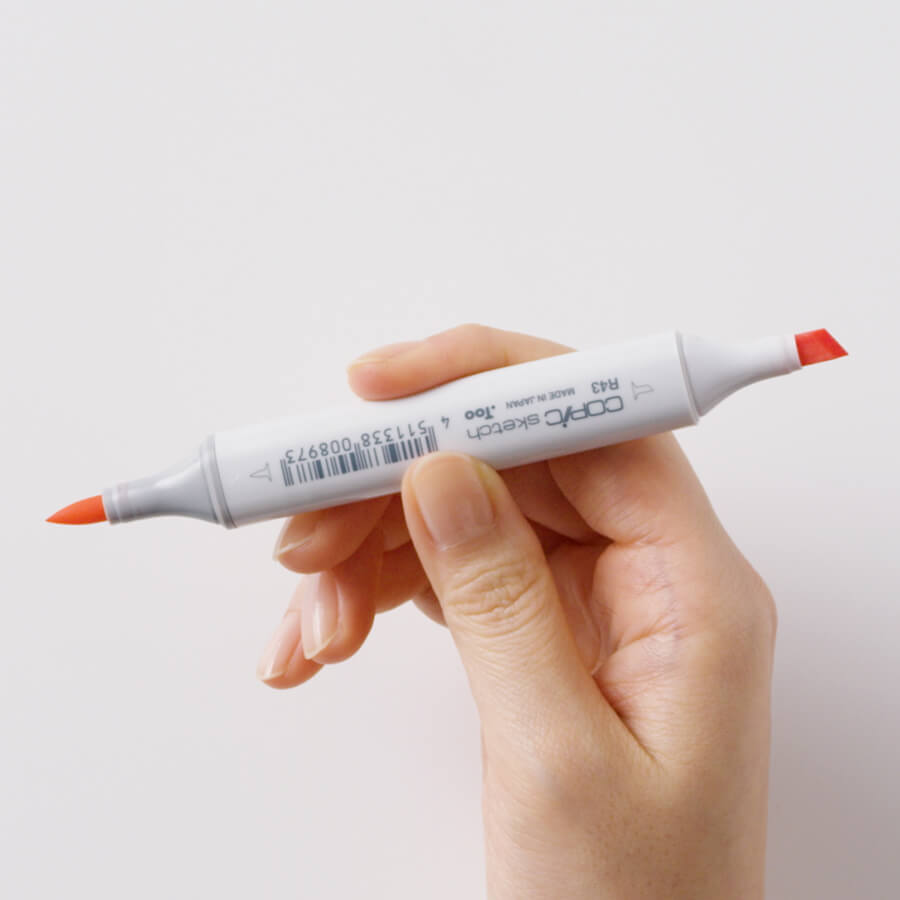
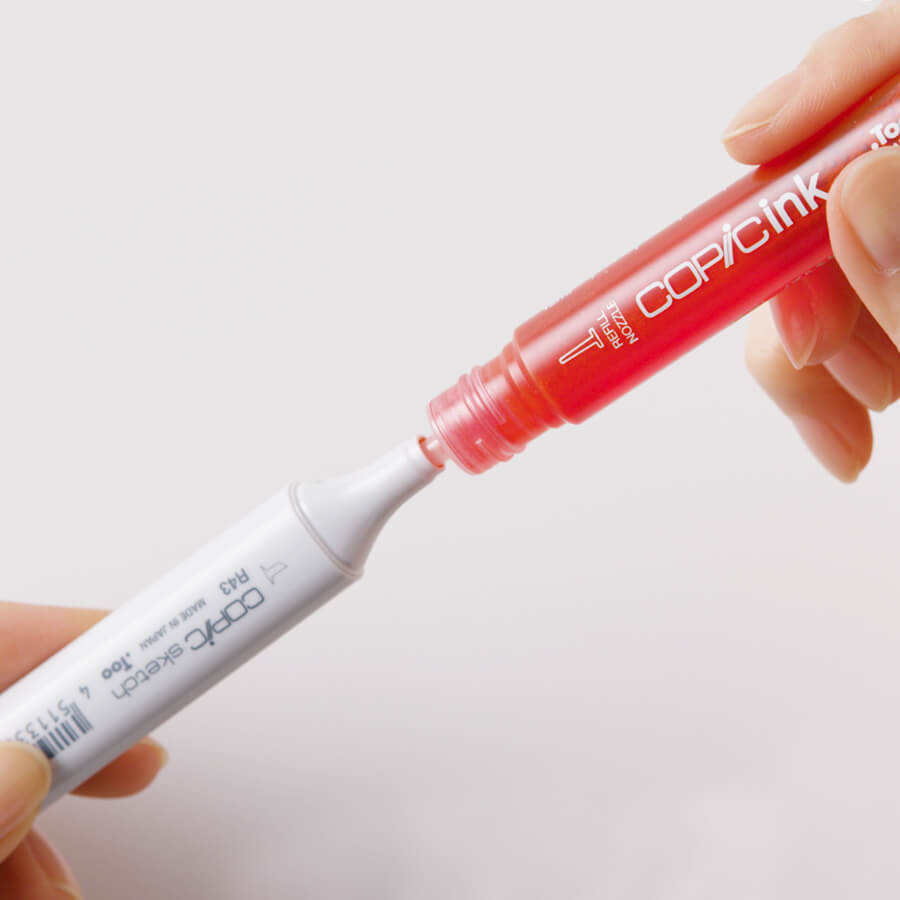
The cartridges are transparent and marked in milliliters for precision. Each one contains 12 ml of ink, enough to refill:
The main rule for refilling markers is to do so in a timely manner, before the marker has completely dried out. While you can always buy new markers, the cotton inside the reservoir drying out is irreversible. We recommend “refreshing” the markers at the first signs of wear. In any case, a generous amount of ink is needed for optimal color flow.
It is also not recommended to refill the markers with other types of ink. Last but not least, regular isopropyl alcohol from the pharmacy can actually shorten the life of the markers, since Kopik markers are made with ethyl alcohol.
● ● ●
And here’s how the refills can be used on their own to draw directly on paper:
How do you change the ink cartridges?
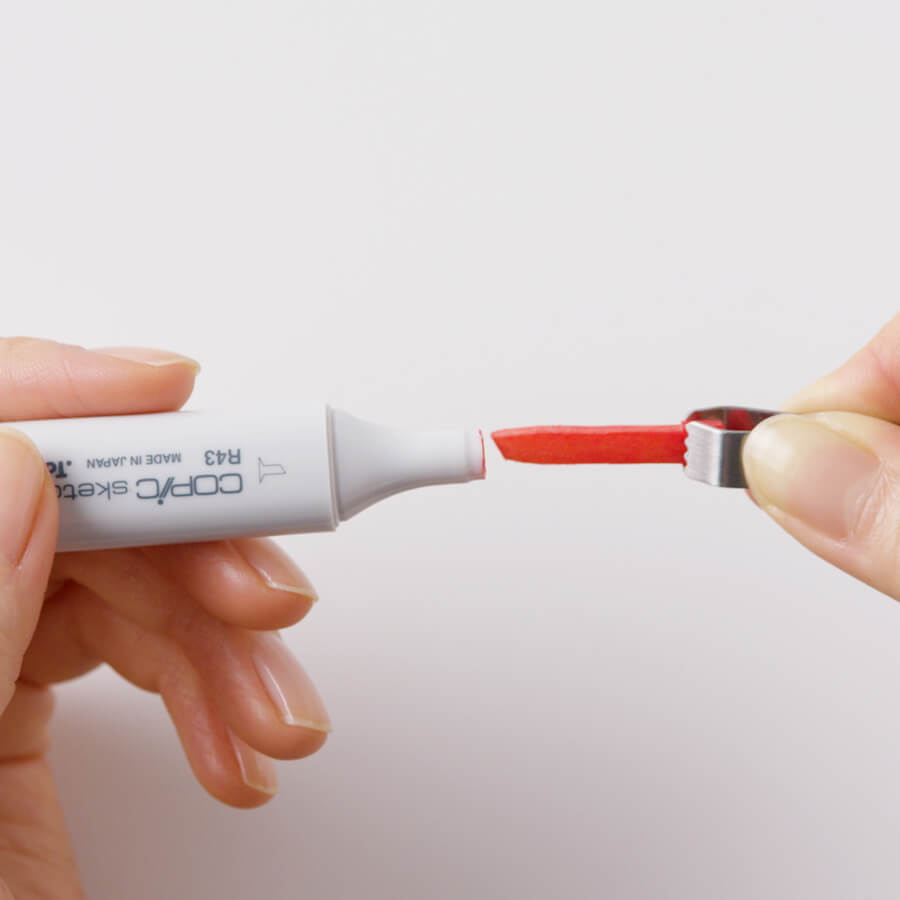
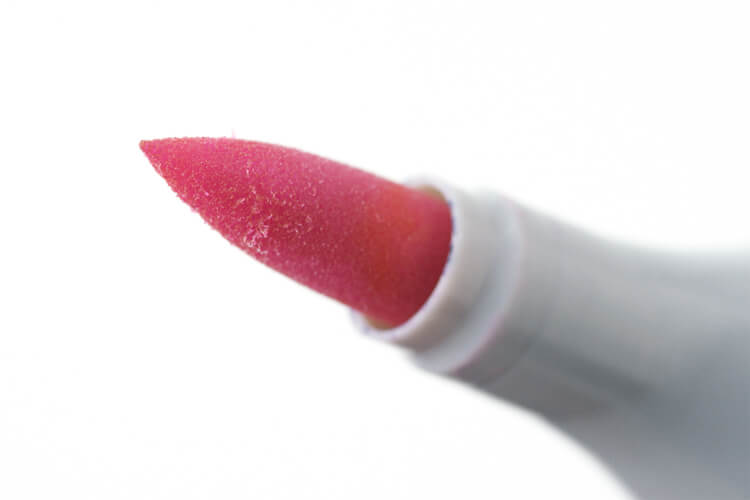
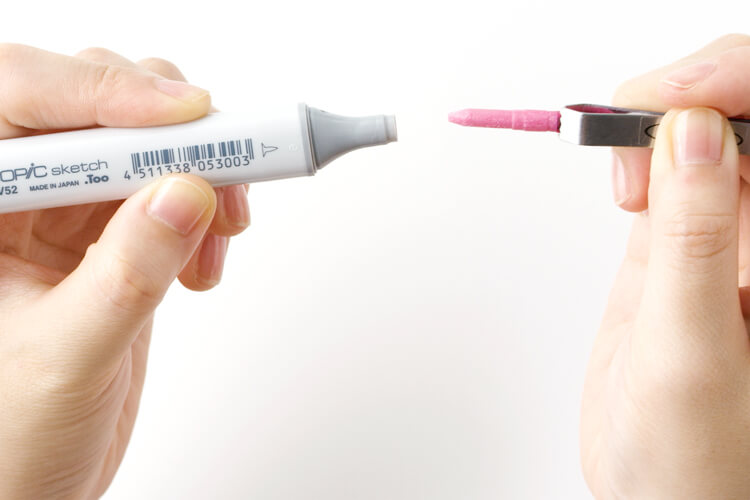
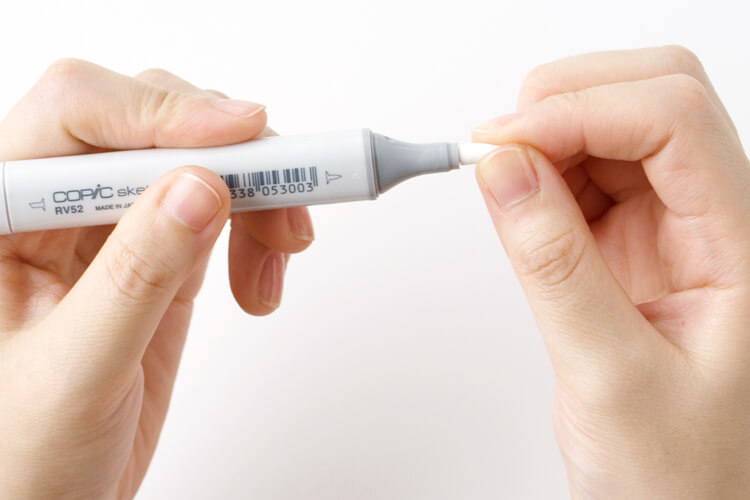
Replacing a worn-out tip is very easy and intuitive. The tip is pulled out using the special serrated tweezers or simply by hand using a piece of paper towel, and the new one is inserted. Replacement tips are single-sided and can only be used once. Copic offers the standard tips for each series, as well as optional variants to customize your markers. For example, you can add a brush on Copic Classic, which does not normally come with one.
How and why should we clean our markers?
The recharging time can also be used for preventive cleaning of the markers and their caps. Sticky residue from dried ink on the edges of the marker can be removed with high-proof alcohol (90–95%) and cotton swabs. The soaked swab should not touch the tip, so as not to damage it. Cleaning prevents splattering when opening the marker and restores the cap’s tight snap if there is ink on its rim.
How should we store our markers?
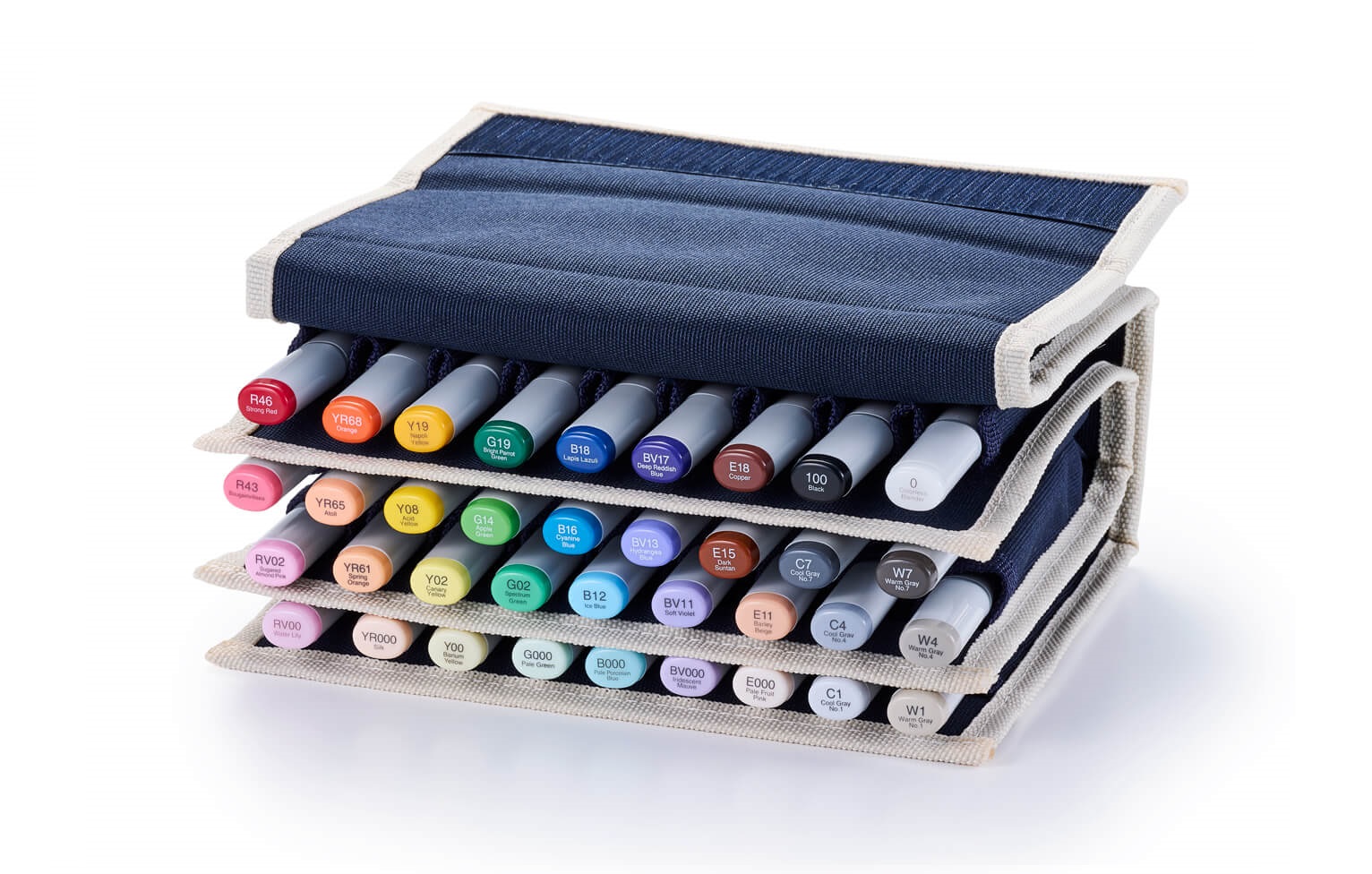
In addition to storing the markers in a cool place away from direct sunlight or fluorescent light, Kopik recommends keeping them horizontal whenever possible.
This prevents the ink from pooling at one end of the container. If a color has been stored upright, it can still be used after turning the container upside down for a while.
What are the drawbacks of Kopik?
In addition to their high price, Kopiks also have several other drawbacks:
- Alcohol-based inks tend to soak through and bleed onto the other side of the paper. If this bothers us, we should choose specialized or at least thicker paper/cardstock.
- Kopik’s ink has a distinctive alcohol odor.
- Working with different types of pens and achieving the desired effect takes some getting used to and practice. The same applies to the short drying time of the ink.
- Because they are made with dyes, Copic colors are prone to fading. Many of them change after just a few weeks of exposure to daylight. Intended for digitization, drawings made with alcohol markers are stored in a sketchbook or portfolio. Framing them behind UV-protective glass would not help, as many of the colors fade over time, no matter how well we preserve them.
The best way to display the artwork is to scan it and convert it to a print.
A high-quality print can look wonderful—if not even better than the original painting.
Author: Martina Petrova


