

No products in the cart.
Your order
Chinese Ink and Watercolor Brush | Flexible and Precise
Chinese Ink and Watercolor Brush | Flexible and Precise
5.00 €
4.17 € (excl. VAT)
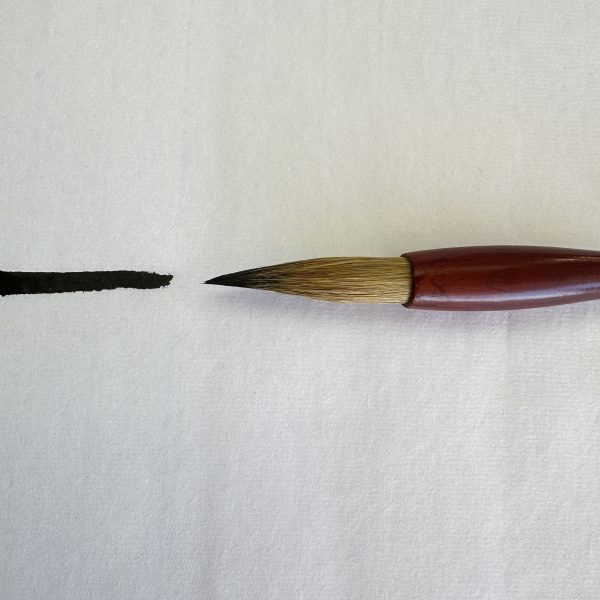
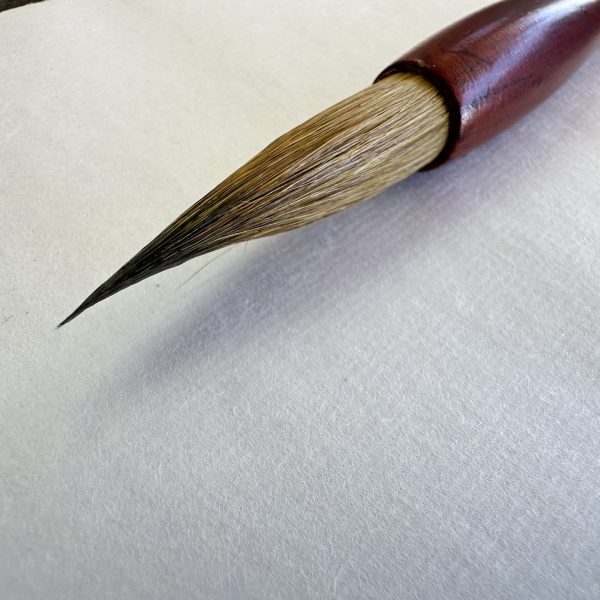
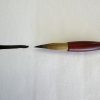
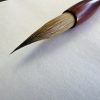
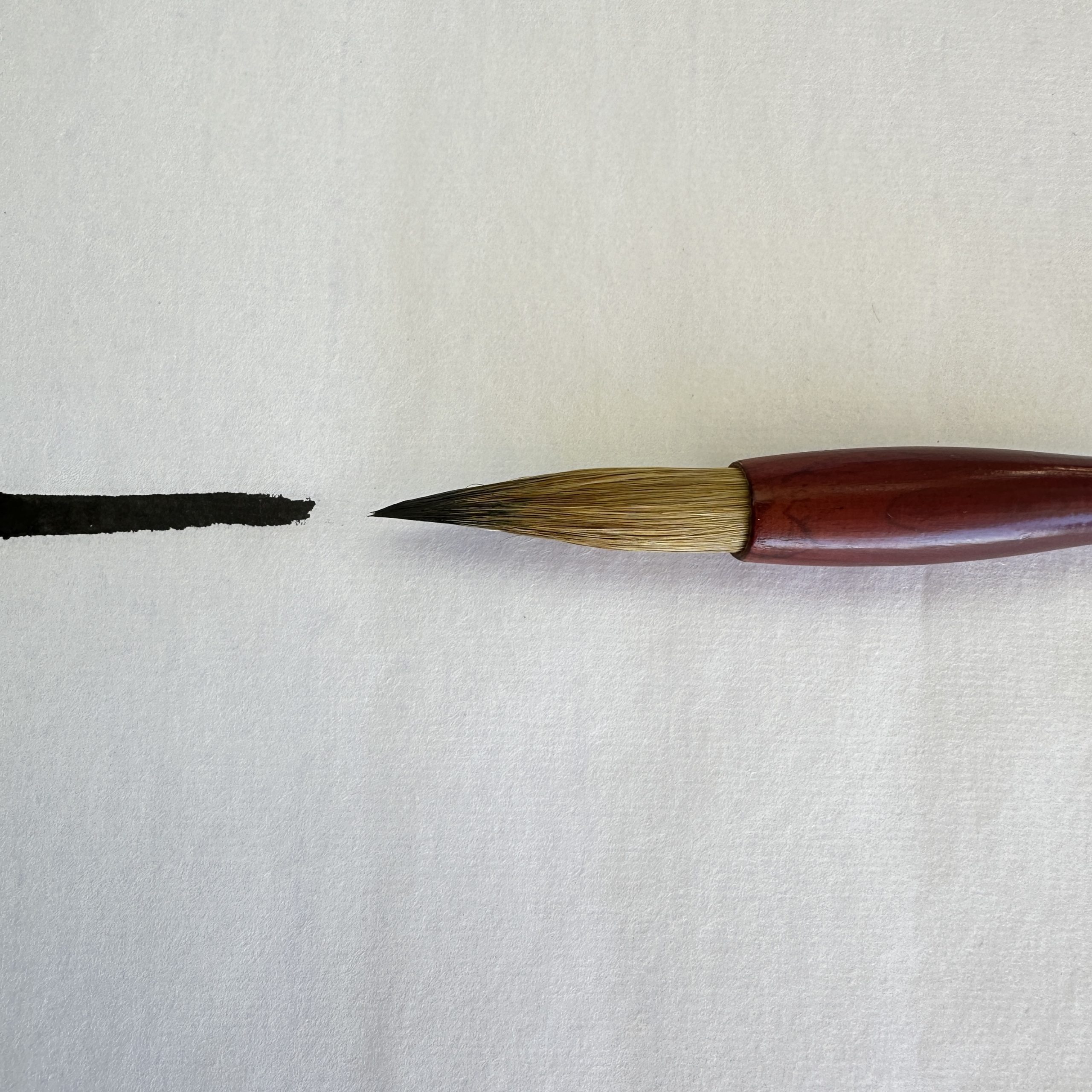
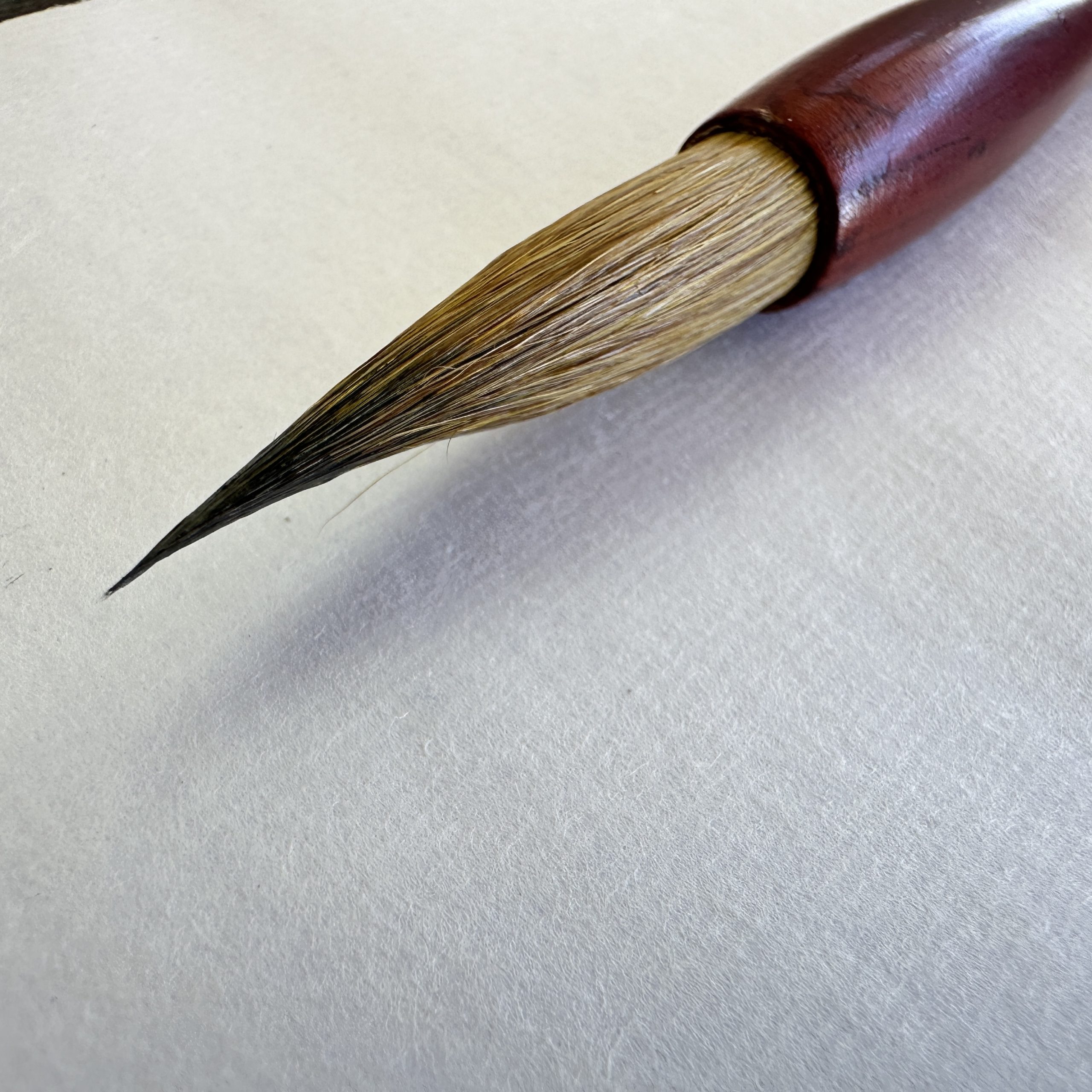
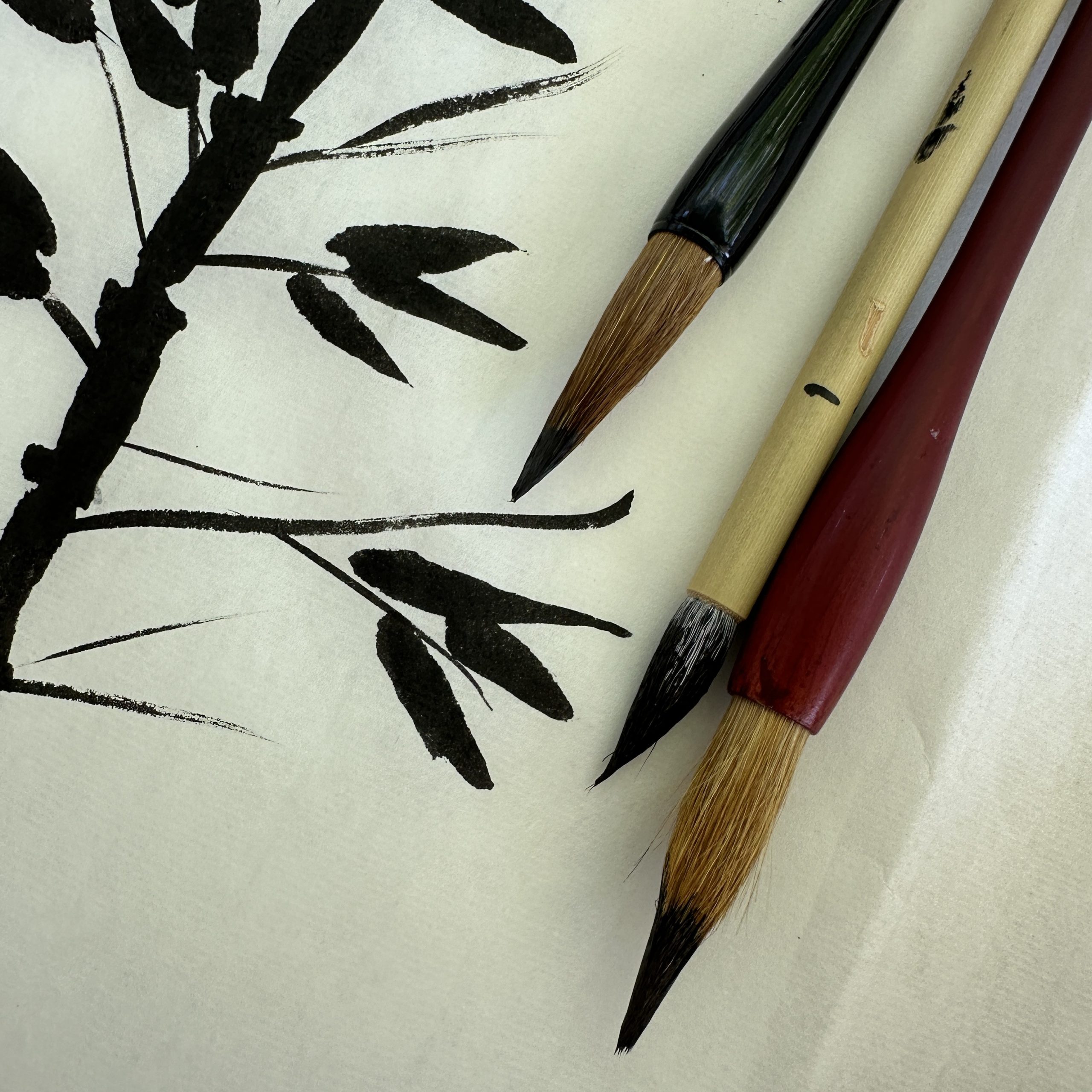
- Hair Type: Natural brown hair ( Langhao / columnar type) – highly elastic and instantly regains its sharp shape.
- Characteristics of the bundle: Firm, compact, and highly resilient, forming a fine, stable tip that does not splay when pressure is applied.
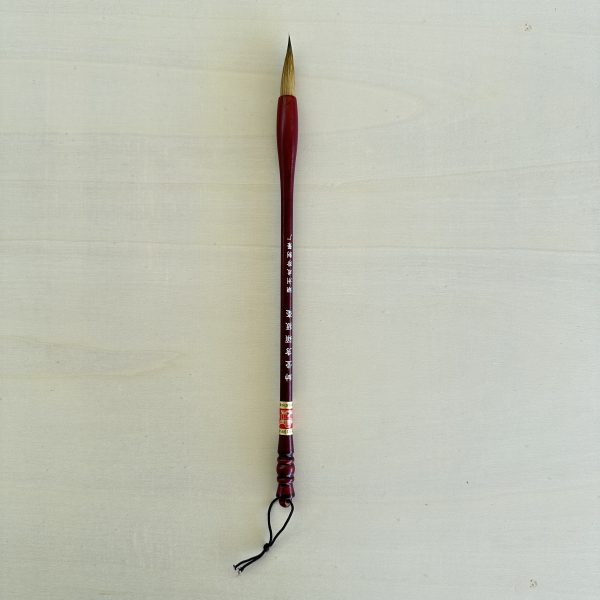
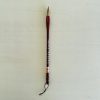
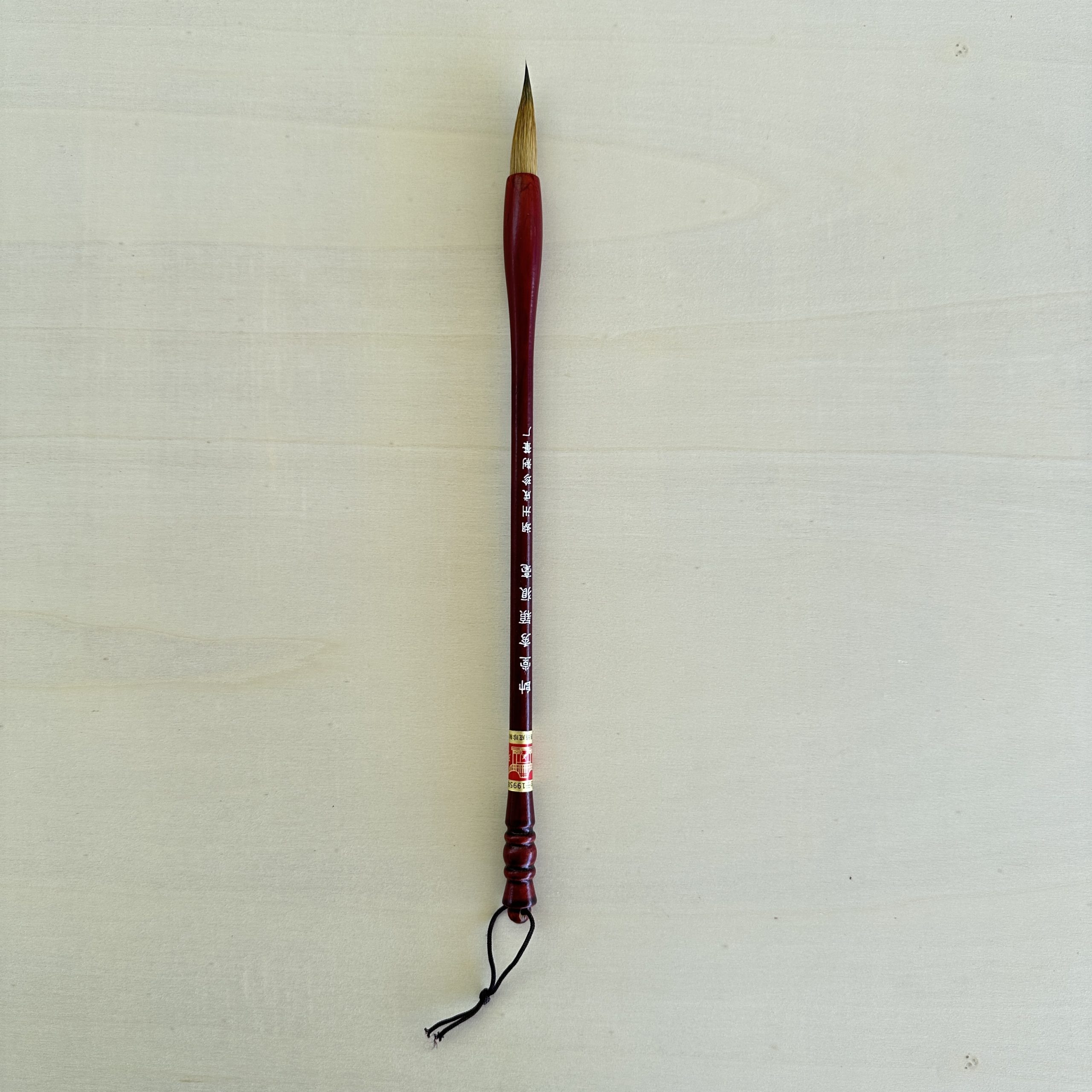
- Handle: Turned wood in a warm reddish-brown color, with a loop for hanging.
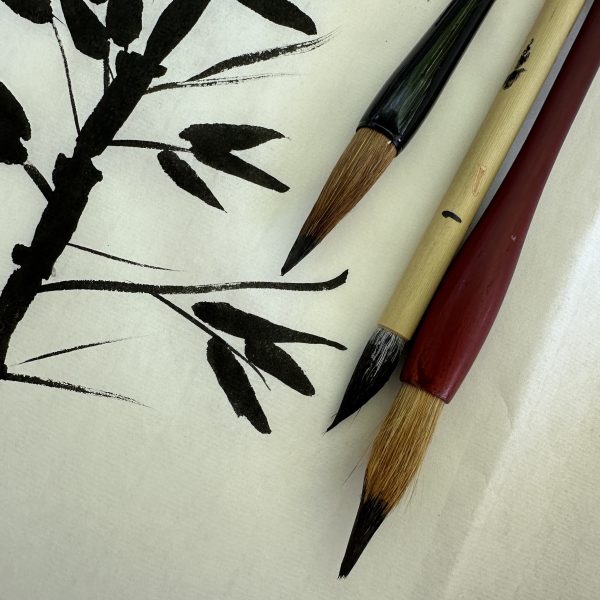
- Intended Use: For sharp contours, fine details, calligraphic characters, botanical elements, and precise watercolor accents.

Check Availability
Product is available in stores only. Check Availability
Product is out of stock.
Rate Product
Appendix:
- Outline drawing and fine details —for rendering fine outlines in traditional East Asian painting ( Gongbi style), as well as for detailed watercolor illustrations, botanical drawings, and architectural sketches.
- Precise calligraphy —the firm yet flexible nib provides control over sharp strokes and angles when writing Chinese characters.
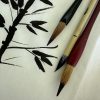
- Sumi-e Painting —used for painting bamboo stems, dry branches, bird feathers, fine leaves, and all elements that require a firm and springy stroke.
Important note regarding this material:
- Origin of the term “wolf hair” —The name is a traditional translation of the Chinese term Langhao. The brush does not contain any wolf hair —the name derives from the Chinese name for the Siberian weasel (kolonok). In Eastern painting and calligraphy, this natural hair is prized for its elasticity, firmness, and ability to maintain a sharp tip.
Operation and Maintenance:
- Initial preparation (activation) —before first use, soak the bundle in lukewarm water and gently rub it with your fingers to remove the protective layer of plant-based adhesive.
- Line control —thanks to its high elasticity, the brush responds to changes in pressure and regains its sharp shape after being lifted from the paper.
- Cleaning and Storage – Rinse thoroughly with lukewarm water immediately after using ink or watercolors. Dry it in a hanging position with the tip pointing down (hanging by the loop) to prevent water from seeping into the wooden handle and damaging the base.
Additional information
| Weight | 0.0253 kg |
|---|
We dispatch 98.5% of orders received by 1pm on a weekday (Monday to Friday) same day , for collection from a courier office or delivery to an address in major cities on the next working day.
Phone numbers for contacting our online order fulfillment center in the Industrial Zone of the City of Varna:
0898 608 004 and 0878 131 023on working days from 8.00 to 17.00hours.
Confirmation of receipt of the order and changes in its status arrives automatically to the e-mail specified in the order. We call only if additional clarifications are necessary or an imposed delay.
Shipping Rates
Orders for an amount over BGN 100 have free delivery to the address or office of the courier.
For orders worth less than BGN 100, the cost of the courier service is at the buyer’s expense and is determined depending on:
- The selected courier company Speedy AD or Econt Express
- Delivery method (To office or to address)
- The weight and volume of the shipment
The amount of the courier service is calculated automatically by the system upon completion of an order.
A minimal difference in the amount of the courier service upon receipt of the package is possible due to discrepancies in the total weight of the package calculated by the system and the weight measured by the courier company.
Customers of the Slanchogled online store enjoy a 30% discount from the basic tariff for courier services of Econt Express OOD and preferential prices upon delivery by Speedy AD courier.
Payment method
- Cash to the courier upon receipt of the delivery (cash on delivery)
- By bank transfer
- Pay by card
Delivery Method
- To the specified office or address by courier of Speedy AD
- To the indicated office or address with Econt Express courier
Return of goods
- Return of goods for a full refund is accepted within 14 days, subject to the conditions specified in the Consumer Protection Act
- If a defect is detected or an item sent incorrectly, Slanchogled bears the courier costs for returning the item
- In case you want to return the goods for another reason – courier costs are covered by the recipient
For inquiries and questions
You must be logged in to post a review.
Related products
-


Synthetic Watercolour Brush : Van Gogh : Series 194 : Round : No. 20
7.67 € -
Synthetic Watercolour Brush : Van Gogh : Series 191 : Round : No. 12
12.27 € -

Synthetic Watercolour Brush : Van Gogh : Series 191 : Round : No. 14
13.29 € -

Synthetic Watercolour Brush : Van Gogh : Series 191 : Round : No. 16
16.36 €


Reviews
There are no reviews yet.