

No products in the cart.
Your order
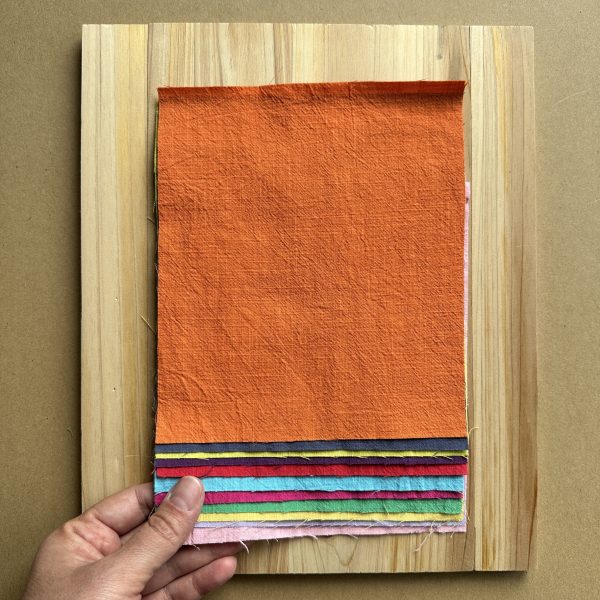
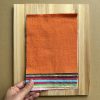
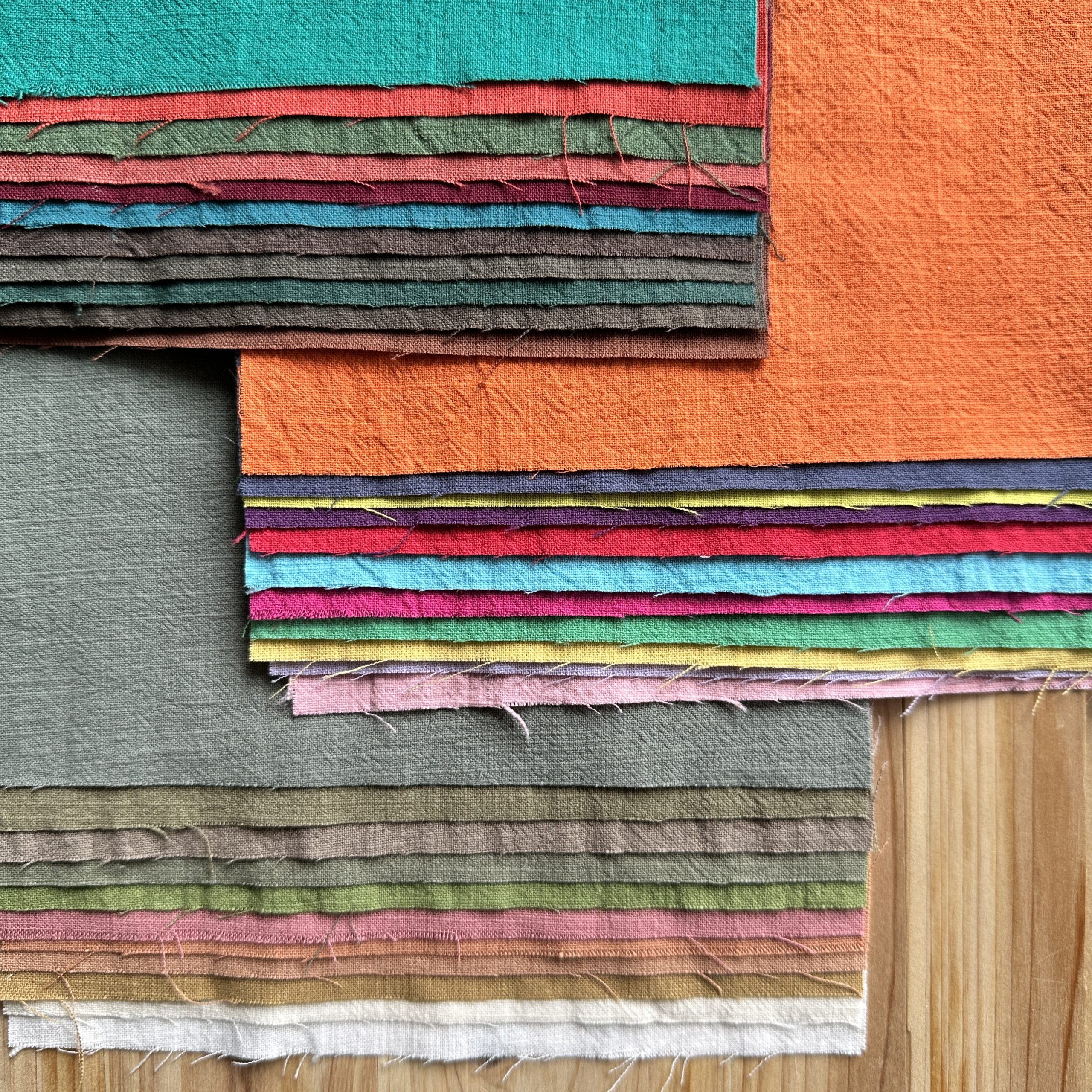
Cotton Fabric Scraps | 17 x 20 cm | 11 Pieces | Bright Colors
Cotton Fabric Scraps | 17 x 20 cm | 11 Pieces | Bright Colors
4.00 €
3.33 € (excl. VAT)
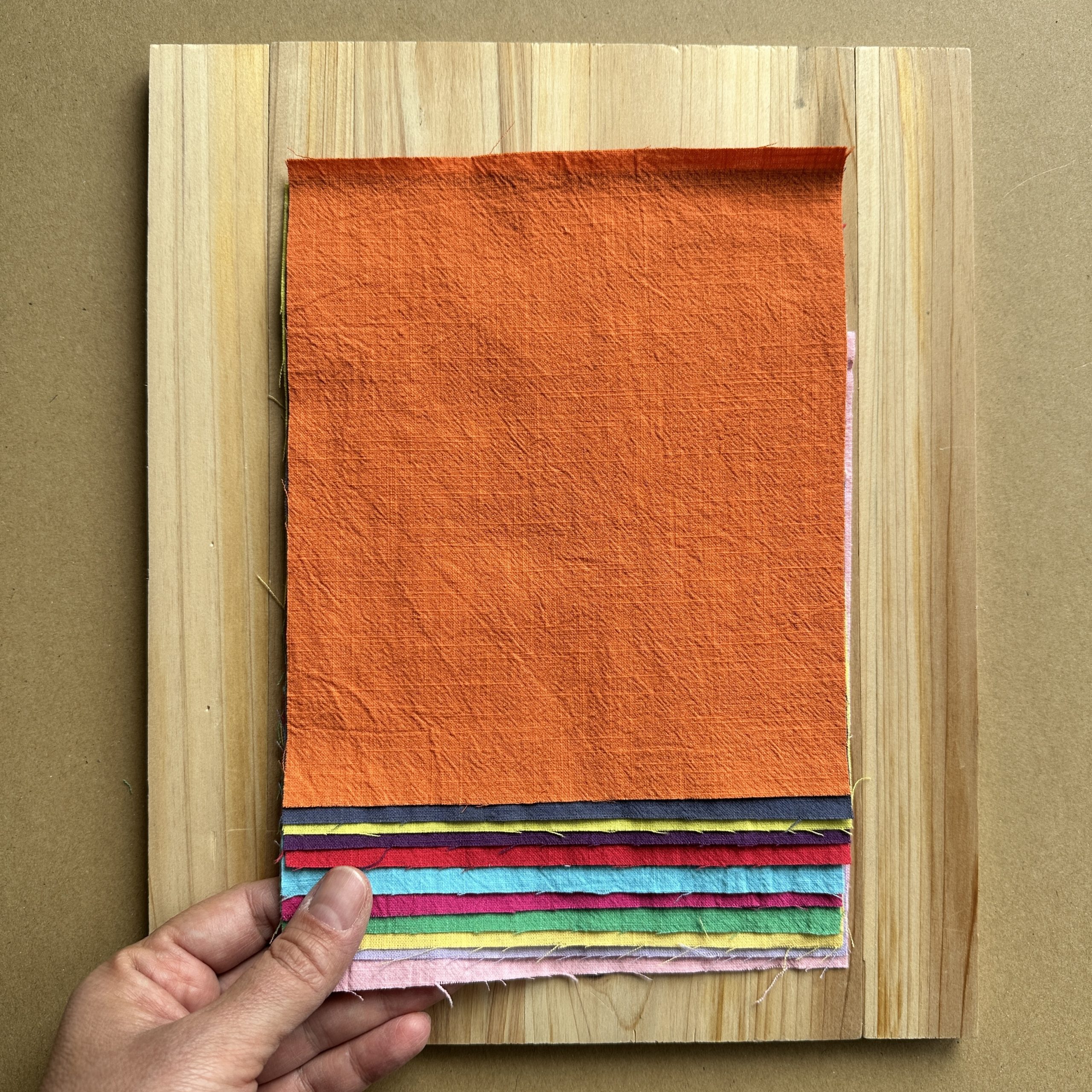
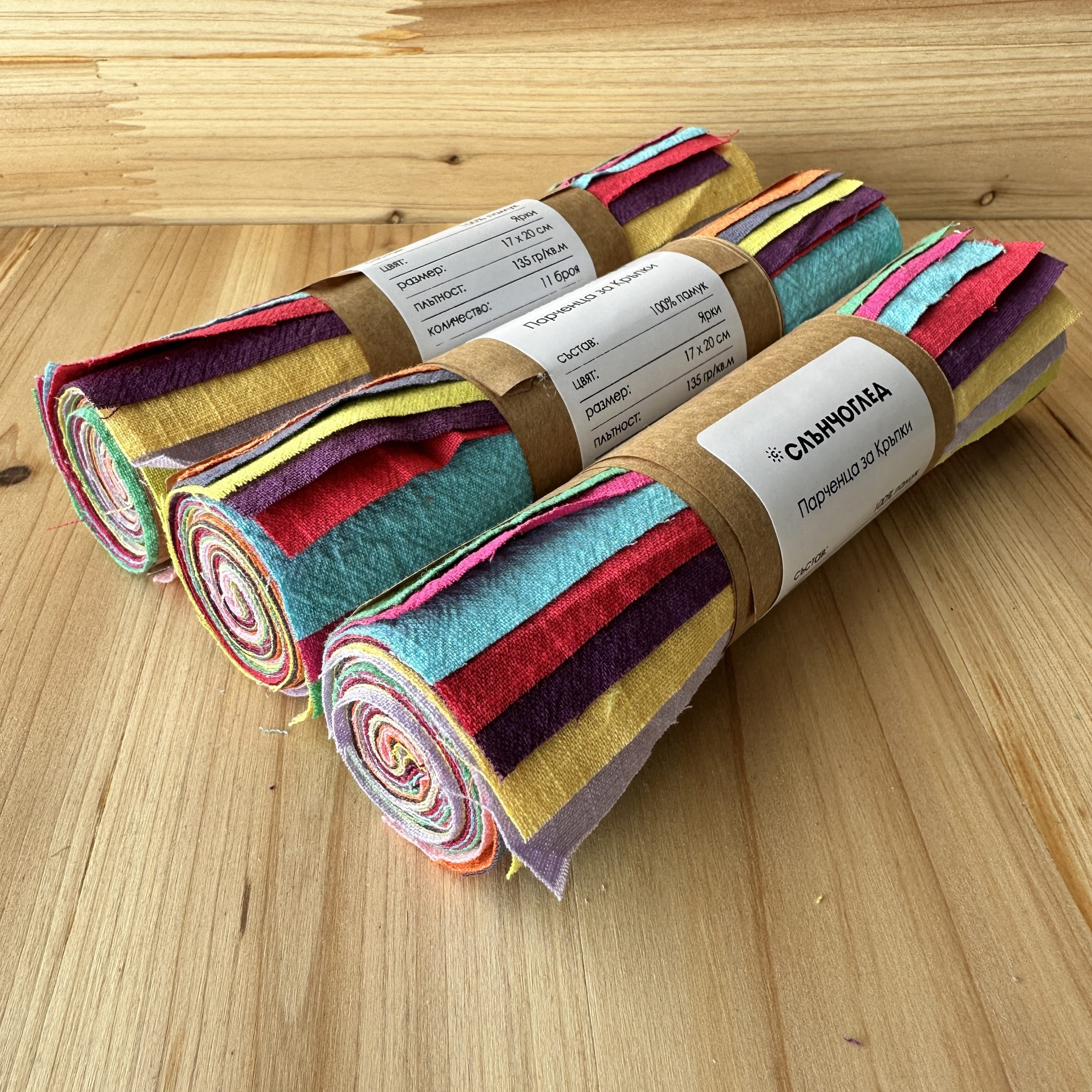
- Piece size: 17 x 20 cm
- Weight: 135 g/m²
- Composition: 100% cotton
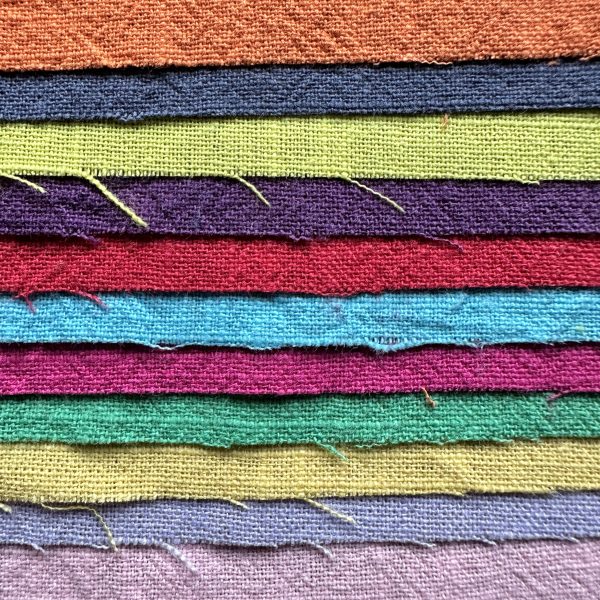
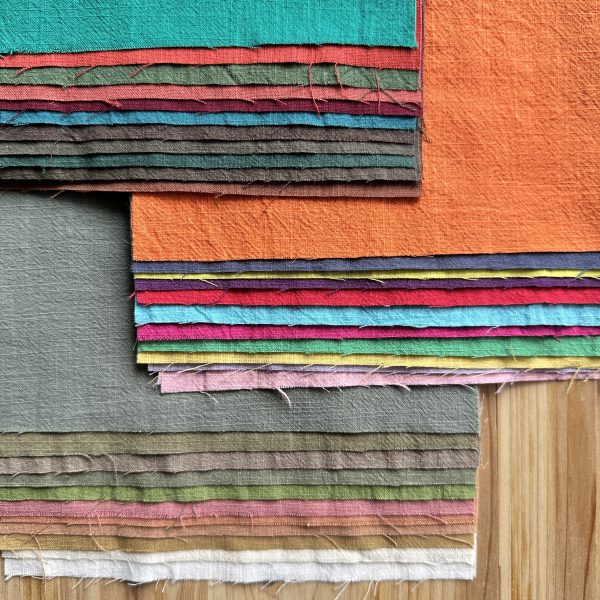
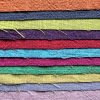
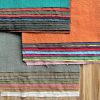
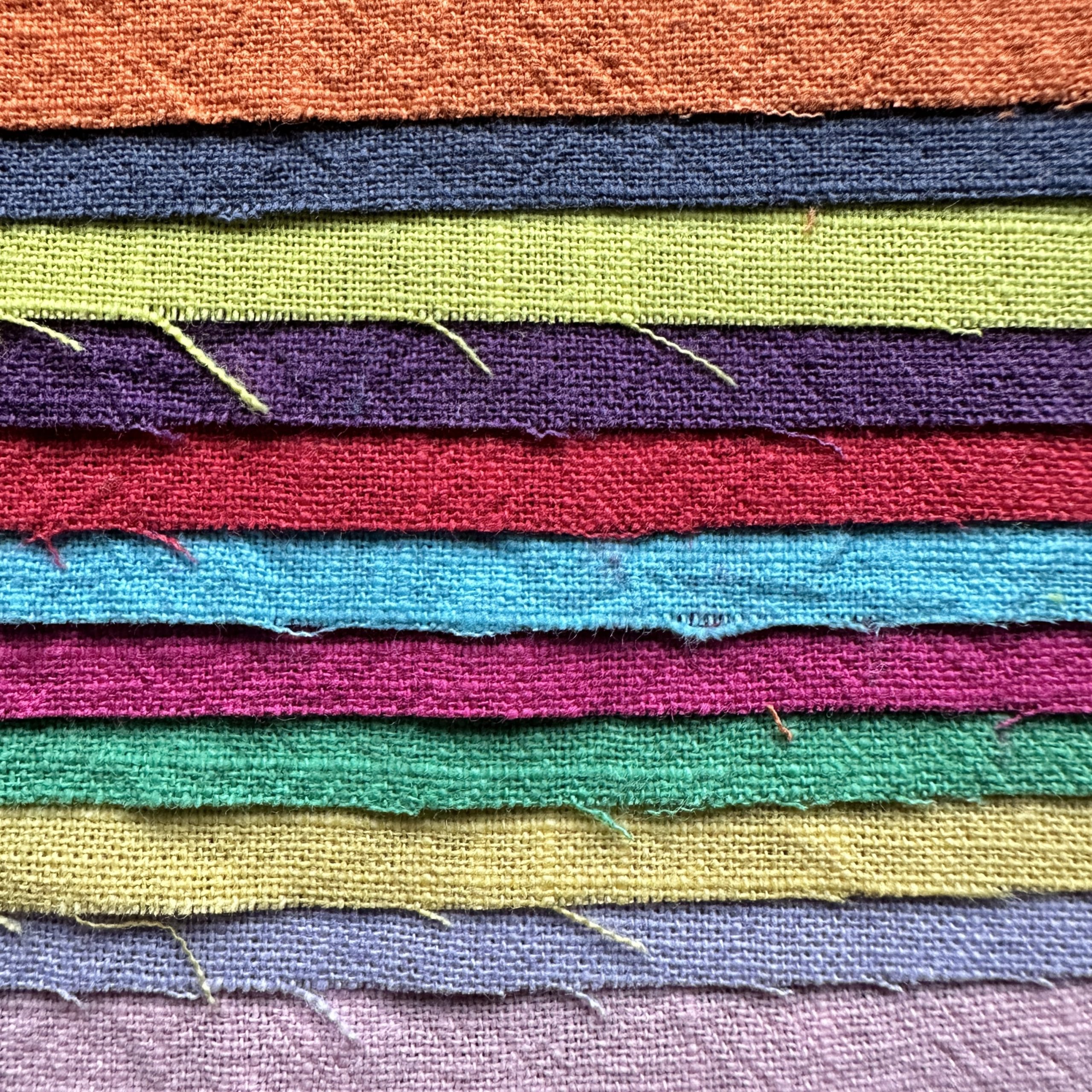
- Colors: 11 different bright, vibrant colors in a set
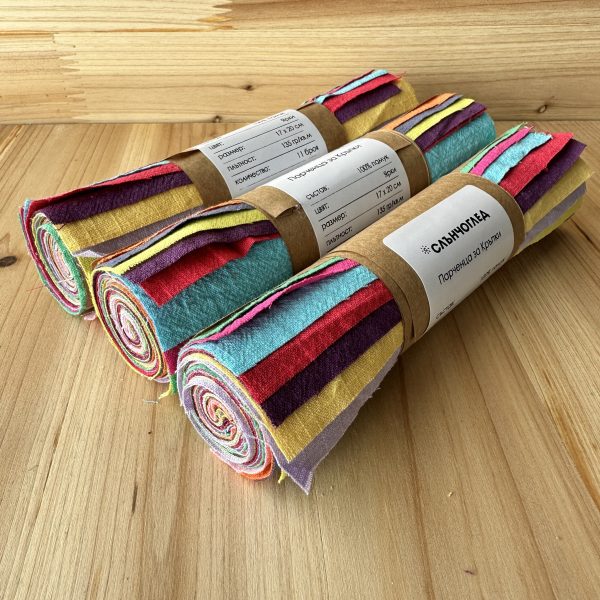
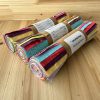
- Packaging: Rolled up and secured with paper tape

Check Availability
Product is available in stores only. Check Availability
Product is out of stock.
Rate Product

What Can You Do with This Amount? (Project Ideas):
- Holiday garlands and flags: Cut several triangular or rectangular shapes for flags from a single piece of fabric. Use the 11 colors to create a colorful garland (for Christmas, a birthday, or a child’s room), strung or sewn onto a ribbon or twine.
- Patches and Appliqués: The size is sufficient for cutting out large patches for the knees of jeans, the elbows of jackets, or colorful motifs for fabric bags and backpacks.
- Dolls and fabric toys: One 17 x 20 cm piece is enough for a small doll outfit, shorts, or small soft figures and animals.
- Patchwork and quilling blocks: Several standard patchwork squares can be cut from a single sheet (for example, four 8 x 8 cm squares or hexagons for English patchwork).
- Small accessories: The size is sufficient for a zippered coin purse, small pencil cases, card holders, hair ties (scrunchies), and coasters.
- Scrapbooking and covers: The pieces are perfect for covering small notebooks, making fabric cards, bookmarks, and ribbons.
What Is Fabric?
- Weight: 135 g/m² is a standard weight for smooth cotton fabric (similar to fabric used for patchwork or lightweight shirts). The fabric is soft, lightweight, and non-stretch. It cuts easily with both standard sewing scissors and a rotary cutter.
- Edges: The fabric sheets have raw, unhemmed edges, ready for immediate cutting. There are loose threads at the edges that fray slightly when rubbed, as is typical for any woven cotton fabric before finishing.
- Colors: The hues are rich and vibrant. The small size of the pieces allows for a combination of many colors in a single project without leaving excess fabric.
Work Conduct
- Shrinkage during washing: Like pure cotton, the fabric reacts to hot water and shrinks slightly (usually about 3–5%). For projects that will be washed later (e.g., doll clothes, pillowcases, or patchwork quilts), a preliminary rinse or steaming with a steam iron before cutting will stabilize the dimensions.
- Ironing: It irons quickly at a high temperature setting for cotton. Creases from rolling the fabric into a roll disappear with the first pass of the iron, especially if a little steam is used.
- Cutting small pieces: The fabric stays straight. To cut out very small appliqué pieces, fusing the fabric to a thin interfacing or heat-activated adhesive backing on the reverse side prevents the edges from fraying.
- Glueing and fabric paints: The surface absorbs fabric paints, markers and fabric adhesives. Since there are no synthetic additives, fabric adhesives soak evenly into the fibers and do not leave hard, brittle spots.
We ship 98.5% of orders received by 1:00 p.m. on weekdays (Monday through Friday) the same day, for pickup at a courier office or delivery to an address in major cities on the next business day.
Contact numbers for our online order fulfillment center in the Industrial Zone of Varna:
0898 608 004 and 0878 131 023 on business days from 8:00 a.m. to 5:00 p . m .
An order confirmation and updates on its status are automatically sent to the email address provided in the order. We will call you only if we need additional information or if there is an unavoidable delay.
Shipping Rates
Orders totaling more than 50 EUR qualify for free shipping to a residential address or a courier office .
For orders totaling less than 50 EUR, the cost of shipping is borne by the buyer and is determined based on:
- Selected courier company: Speedy AD or Econt Express
- Delivery method (To an office or to an address)
- The weight and volume of the shipment
The shipping fee is calculated automatically by the system when the order is completed.
There may be a slight difference in the courier service fee upon receipt of the shipment due to discrepancies between the total weight of the shipment calculated by the system and the weight measured by the courier company.
Customers of the Slanchogled online store receive a 30% discount off the standard rate for courier services provided by Econt Express Ltd. and preferential rates for courier delivery by Speedy AD.
Payment Method
- Cash on delivery to the courier upon receipt of the shipment (COD)
- By bank transfer
- Card payment
Shipping Method
- To a specified office or address via Speedy AD courier
- To a specified office or address via Econt Express courier
Returns
- Returns for a full refund are accepted within 14 days, subject to the conditions specified in the Consumer Protection Act
- If a defect is found or the wrong item was shipped, Slanchogled will cover the courier costs for returning the merchandise
- If you wish to return the item for any other reason, the courier fees are covered by the recipient
For inquiries and questions
Show only reviews in English ()
You must be logged in to post a review.



Reviews
There are no reviews yet.