

No products in the cart.
Your order
Glycerin 85% | 30 ml with Dropper
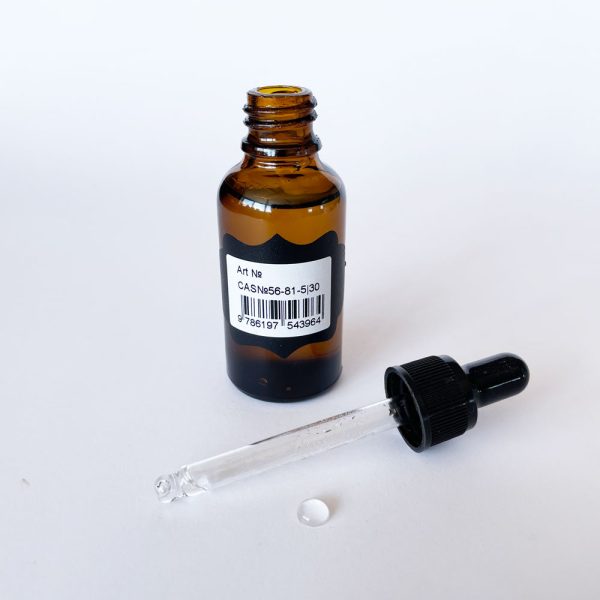
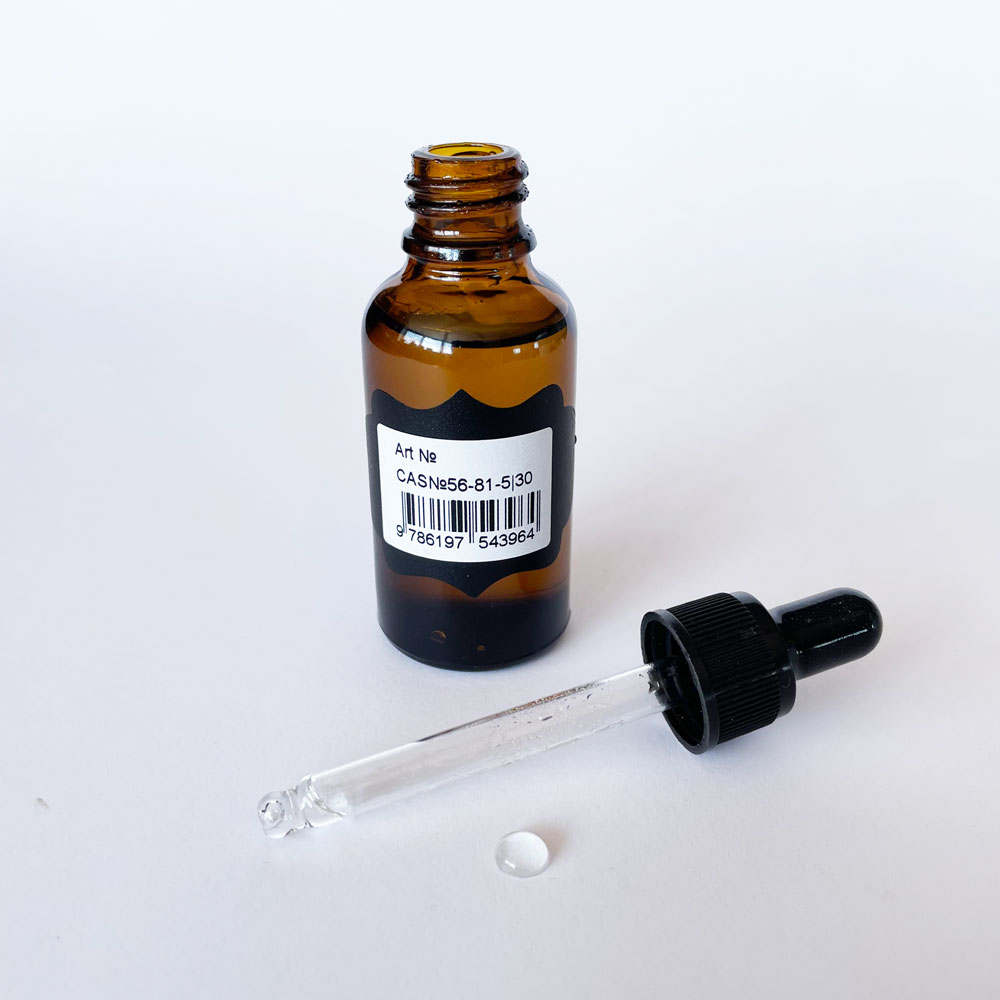
Glycerin 85% | 30 ml with Dropper
1.00 €
0.83 € (excl. VAT)
Pharmaceutical-grade glycerol (Ph. Eur.), useful for slowing the drying of paints, regulating the viscosity of ink, and maintaining the elasticity of gelatin plates for monotype printing.
The dropper allows for precise dosing when mixing with art supplies.
Purity: Pharmacopoeial grade (Ph. Eur.)
Concentration: 85%
CAS No.: 56-81-5
Quantity: 30 ml (37 g)
Packaging: Dark glass bottle with a dropper

Check Availability
Product is available in stores only. Check Availability
Product is out of stock.
Rate Product
Glycerol is the chemical name for pure glycerin. The designation “Pharmacopoeial” (Ph. Eur.) guarantees the highest grade of purification according to European medical standards, which excludes the presence of undesirable impurities and ensures stability when mixed with art supplies.
Applications:
Making plates for monotype printing: A key component in the preparation of homemade gelly plates, in combination with gelatin. Glycerin contributes to the plate’s elasticity and helps ensure its long-term storage.
Working with Watercolor: It can be added to the water used for painting to improve the solubility of the pigments and add a slight sheen. It helps keep the paints moist on the palette for a longer period of time.
Acrylic paint retarder: Extends the “open time” for working with the paint, making it easier to blend colors. Careful drop-by-drop dosing is recommended: a rough ratio of 1 part mixture (glycerin and water in a 1:1 ratio) to 2 parts paint can be used as a guideline.
Treatment of dried materials: Helps soften ink pads that have dried on the surface, watercolors in pans, and gouache.
Calligraphy: It affects the viscosity of ink and ink solutions, ensuring more even deposition on the paper and smoother flow from the nib.
Decorative snowballs: Increases the viscosity of the liquid, which slows down the movement of glitter and artificial snow in handmade decorations.
Recommendation: Moderate use is important for preserving the natural properties of the paints.
Using too much can cause the surface to remain tacky for an extended period, prevent the layer from fully curing, or compromise its long-term strength.
We dispatch 98.5% of orders received by 1pm on a weekday (Monday to Friday) same day , for collection from a courier office or delivery to an address in major cities on the next working day.
Phone numbers for contacting our online order fulfillment center in the Industrial Zone of the City of Varna:
0898 608 004 and 0878 131 023on working days from 8.00 to 17.00hours.
Confirmation of receipt of the order and changes in its status arrives automatically to the e-mail specified in the order. We call only if additional clarifications are necessary or an imposed delay.
Shipping Rates
Orders for an amount over BGN 100 have free delivery to the address or office of the courier.
For orders worth less than BGN 100, the cost of the courier service is at the buyer’s expense and is determined depending on:
- The selected courier company Speedy AD or Econt Express
- Delivery method (To office or to address)
- The weight and volume of the shipment
The amount of the courier service is calculated automatically by the system upon completion of an order.
A minimal difference in the amount of the courier service upon receipt of the package is possible due to discrepancies in the total weight of the package calculated by the system and the weight measured by the courier company.
Customers of the Slanchogled online store enjoy a 30% discount from the basic tariff for courier services of Econt Express OOD and preferential prices upon delivery by Speedy AD courier.
Payment method
- Cash to the courier upon receipt of the delivery (cash on delivery)
- By bank transfer
- Pay by card
Delivery Method
- To the specified office or address by courier of Speedy AD
- To the indicated office or address with Econt Express courier
Return of goods
- Return of goods for a full refund is accepted within 14 days, subject to the conditions specified in the Consumer Protection Act
- If a defect is detected or an item sent incorrectly, Slanchogled bears the courier costs for returning the item
- In case you want to return the goods for another reason – courier costs are covered by the recipient
For inquiries and questions
You must be logged in to post a review.


Reviews
There are no reviews yet.