




Types of Print Surfaces
Depending on the desired effect and the complexity of the work, there are several approaches to preparing the substrate (matrix):
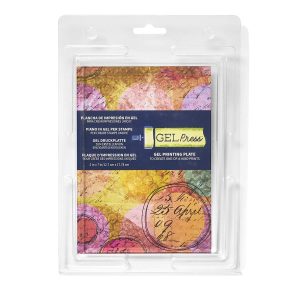
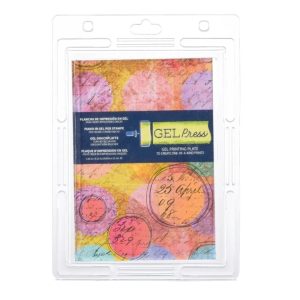
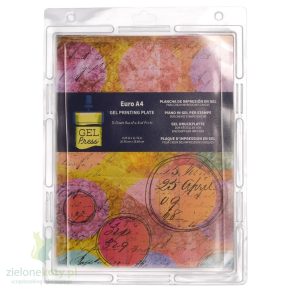
- Gel Press polymer plates: Ready-to-use, flexible surfaces made of non-toxic gel (gelli plates). They are characterized by high sensitivity to detail, long-term storage stability, and the ability to be reused over the long term. The elastic (jelly-like) surface allows ink to be transferred without the need for heavy pressure.
- Components for a gelatin plate: To create a printing plate at home or in an educational setting, we offer gelatin and glycerin. This combination allows for the casting of cost-effective plates made from organic materials.
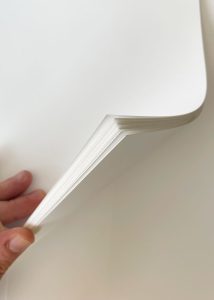
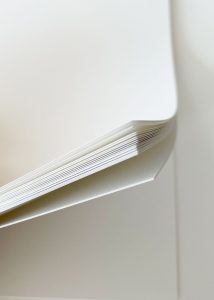
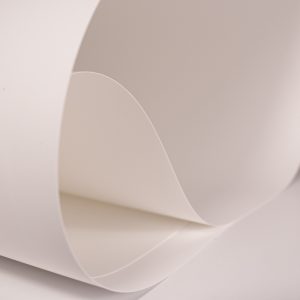
- Synthetic and coated cardboard: An affordable alternative to gel plates for classic monotype. These cardboards have a smooth, non-porous surface that does not absorb the ink, allowing it to be applied directly to the sheet before being transferred to the final substrate. They are suitable for experimental techniques and working in larger formats.
Media and Delays
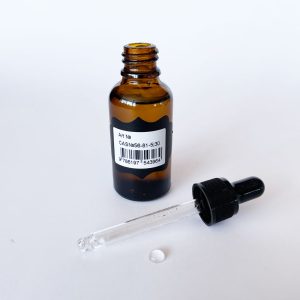
Successful image transfer often depends on the working time of the ink. We have also included retarders for acrylic paints. These mediums prolong the drying process, allowing for more time to shape the image on the chosen surface and preventing the layer from drying too quickly.
Useful Tools and Accessories
To achieve different effects and greater control over the process:
- Applying the paint: Even distribution of the material is achieved by using a rubber roller.
- Visual Effects and Composition: To create shapes and textures, you may also find silicone combs and spatulas, stencils and rubber stamps. These tools allow for the mechanical removal of part of the paint or the application of graphic elements directly onto the work surface.
Technical Support
Polymer plates must be cleaned with water and mild soap after each session, while gelatin alternatives must be stored in a refrigerated environment.
When working with cardboard as a printing surface, cleaning depends on the type of inks used and how heavily the material has been coated.


