

No products in the cart.
Your order
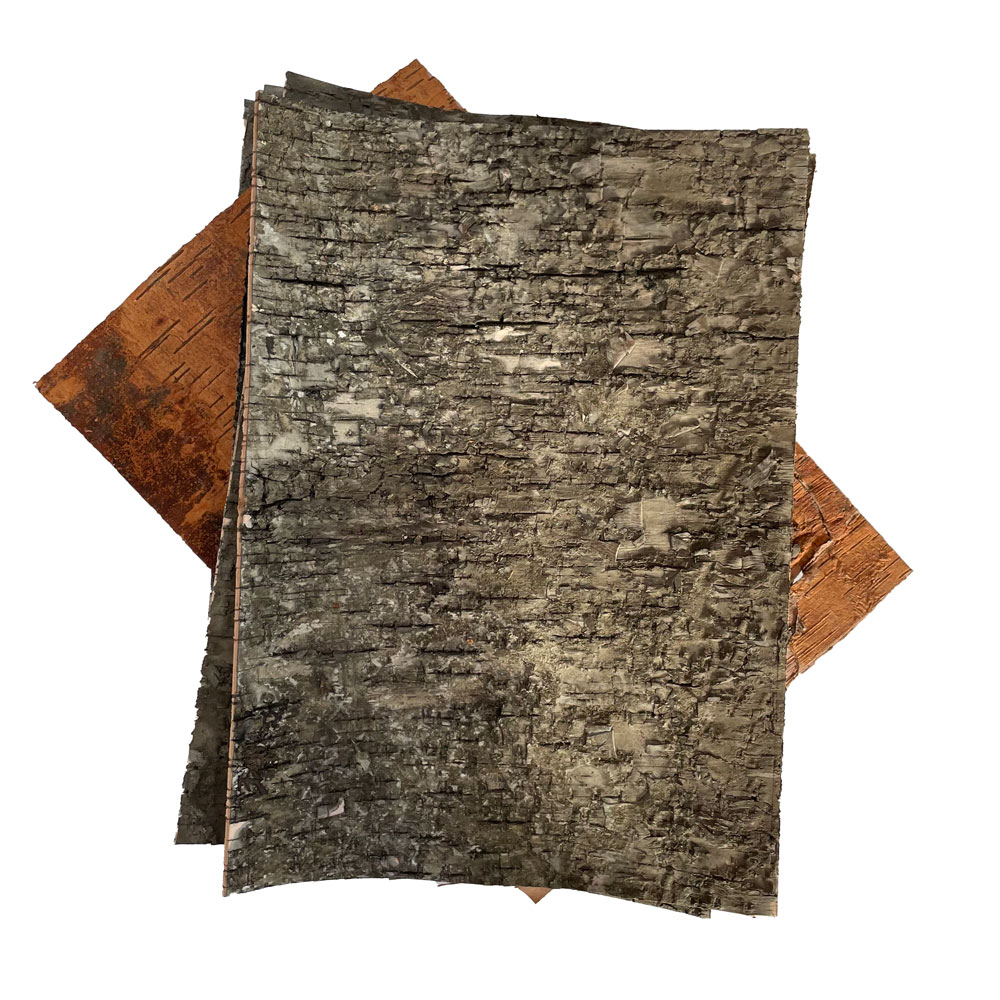
Birch Bark, A4 Size: 21 x 30 cm: 1 Sheet
Birch Bark, A4 Size: 21 x 30 cm: 1 Sheet
2.50 €
2.08 € (excl. VAT)
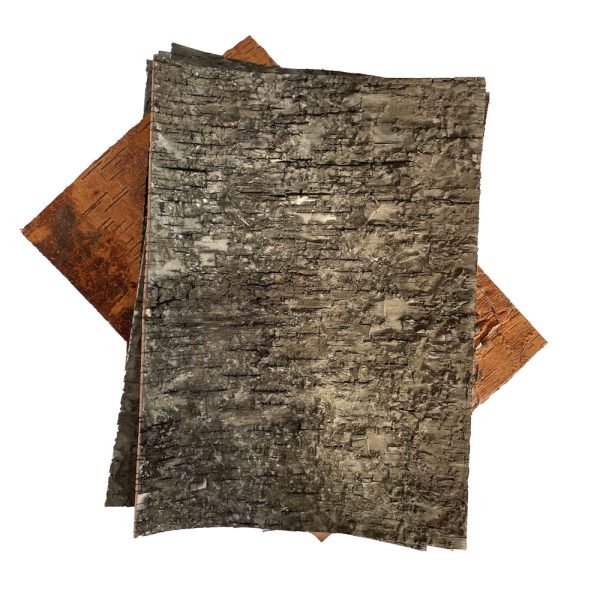
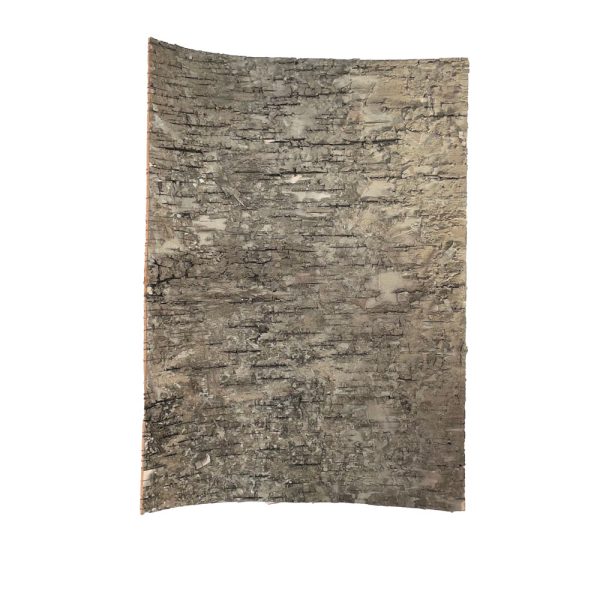
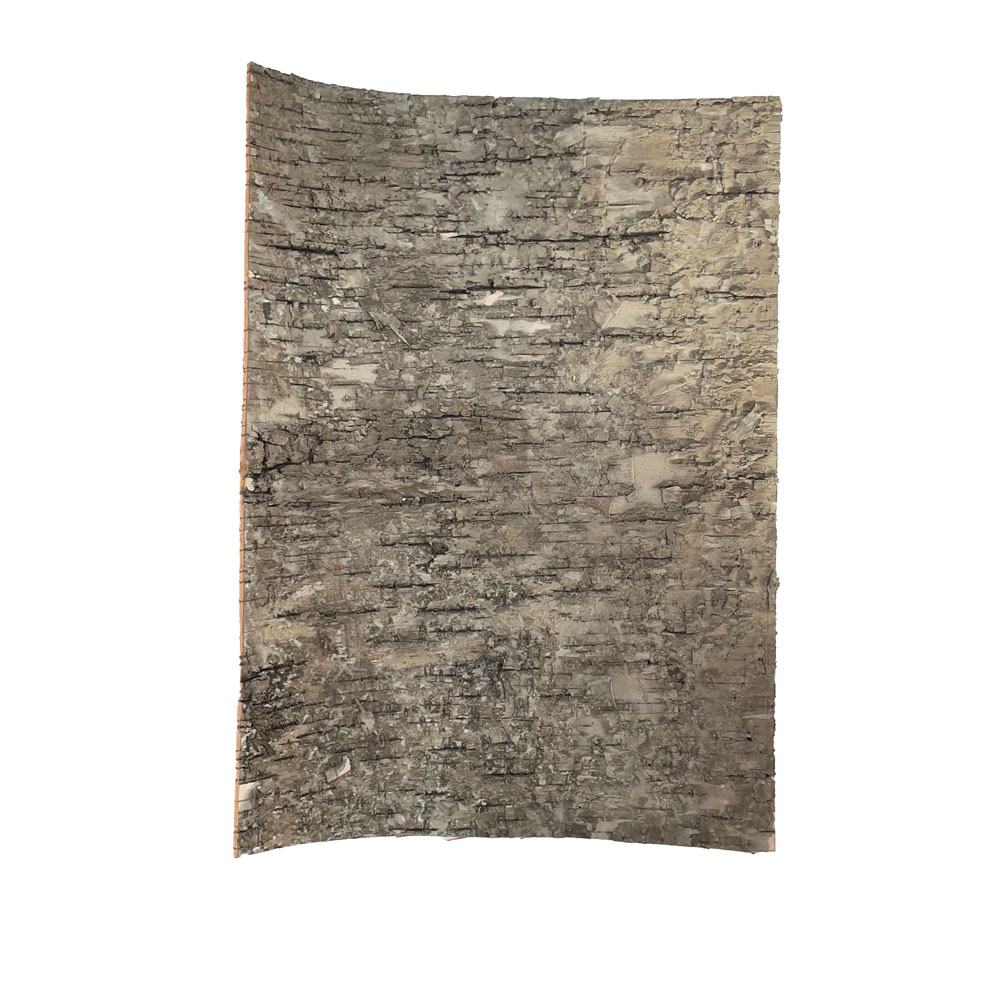
Obverse: Heavily fissured with natural cracks ranging in color from silvery-gray to dark brown and black.
Back (reverse side): A natural reddish-brown color and a smoother texture. The smoother surface makes it easier to apply adhesive, but the warm color allows the back to also be used as a visible element to create contrast.
Durability: Due to its betulin content, birch bark is naturally resistant to moisture and rot, making it more durable than many other natural materials.
Flexibility and Shaping: For applications on rounded objects and curved surfaces, the bark can be softened by steaming or soaking in hot water. Moisture and heat make the fibers elastic and allow them to be shaped without breaking. In their natural (dry) state, the sheets retain their rigidity and stability.

Check Availability
Product is available in stores only. Check Availability
Product is out of stock.
Rate Product
Applications:
Scrapbooking and Albums: Used to create three-dimensional, hard covers or as an accent in eco-friendly projects.
Mixed media: Serves as a natural texture paste —creates a pronounced relief without the need for additional modeling.
Production of Models: The structure of birch wood perfectly mimics rock formations, old stone walls, or rugged terrain in dioramas and architectural models.
Decorative uses: Suitable for covering flower pots, making candleholders (keeping a safe distance from the flame), and framing mirrors.
Pyrography: On the smoother areas of the bark (or on the reddish underside), you can work with a pyrograph, producing a dark, rich impression.
Technical processing:
Cutting: For precise shapes, you need a sturdy craft knife and repeated cutting (several passes along the same cut) to cut through the density of the fibers. For rough shaping, garden shears or wire cutters can be used.
Adhesion: The surface is uneven, which requires adhesives with a filling effect. Suitable options include hot silicone, polyurethane adhesives, or thick construction adhesives. When using PVA adhesive , it is necessary to apply pressure with a weight until it is completely dry.
Finishes: The wood grain allows for the application of matte and glossy wood varnishes, which enhance the contrast of the texture. It can be painted with acrylic paints and spray paints.
Important: Since this is a natural product, each leaf is unique and varies in thickness, color intensity, and texture.
Additional information
| Weight | 0.0700 kg |
|---|
We dispatch 98.5% of orders received by 1pm on a weekday (Monday to Friday) same day , for collection from a courier office or delivery to an address in major cities on the next working day.
Phone numbers for contacting our online order fulfillment center in the Industrial Zone of the City of Varna:
0898 608 004 and 0878 131 023on working days from 8.00 to 17.00hours.
Confirmation of receipt of the order and changes in its status arrives automatically to the e-mail specified in the order. We call only if additional clarifications are necessary or an imposed delay.
Shipping Rates
Orders for an amount over BGN 100 have free delivery to the address or office of the courier.
For orders worth less than BGN 100, the cost of the courier service is at the buyer’s expense and is determined depending on:
- The selected courier company Speedy AD or Econt Express
- Delivery method (To office or to address)
- The weight and volume of the shipment
The amount of the courier service is calculated automatically by the system upon completion of an order.
A minimal difference in the amount of the courier service upon receipt of the package is possible due to discrepancies in the total weight of the package calculated by the system and the weight measured by the courier company.
Customers of the Slanchogled online store enjoy a 30% discount from the basic tariff for courier services of Econt Express OOD and preferential prices upon delivery by Speedy AD courier.
Payment method
- Cash to the courier upon receipt of the delivery (cash on delivery)
- By bank transfer
- Pay by card
Delivery Method
- To the specified office or address by courier of Speedy AD
- To the indicated office or address with Econt Express courier
Return of goods
- Return of goods for a full refund is accepted within 14 days, subject to the conditions specified in the Consumer Protection Act
- If a defect is detected or an item sent incorrectly, Slanchogled bears the courier costs for returning the item
- In case you want to return the goods for another reason – courier costs are covered by the recipient
For inquiries and questions
You must be logged in to post a review.


Reviews
There are no reviews yet.